American Pest Spikes
Company
Shop By Category
T&Cs
Shop Online
  • Clear materials and product specifications
  • Free tracked USA-wide delivery over $75
  • 14-day returns

Solar panel bird guard 8 inch | Solar panel pigeon mesh | critter guard for solar panels

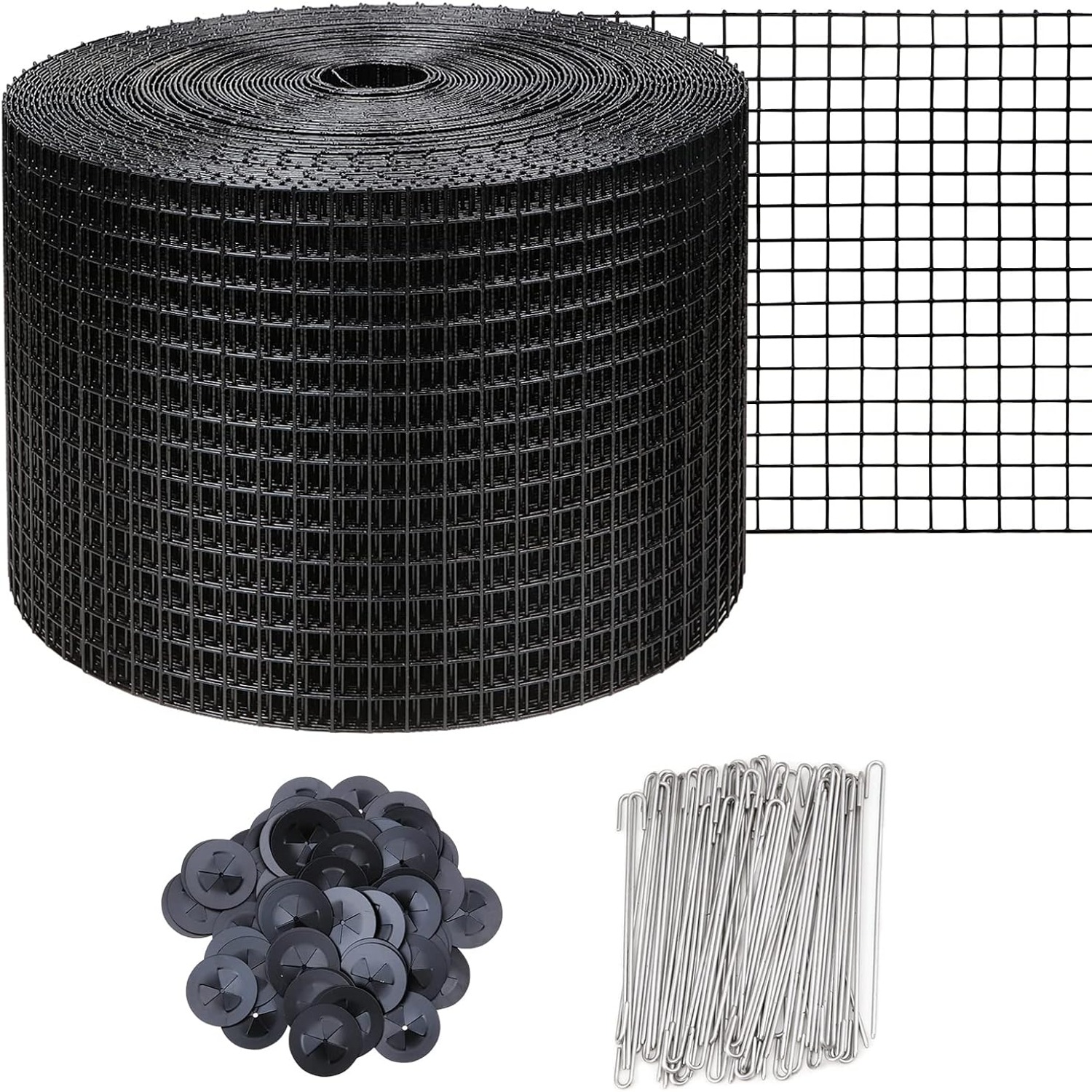
Solar Panel Bird Guard Mesh 8 in x 100 ft

$119.99 $143.99 Save $24
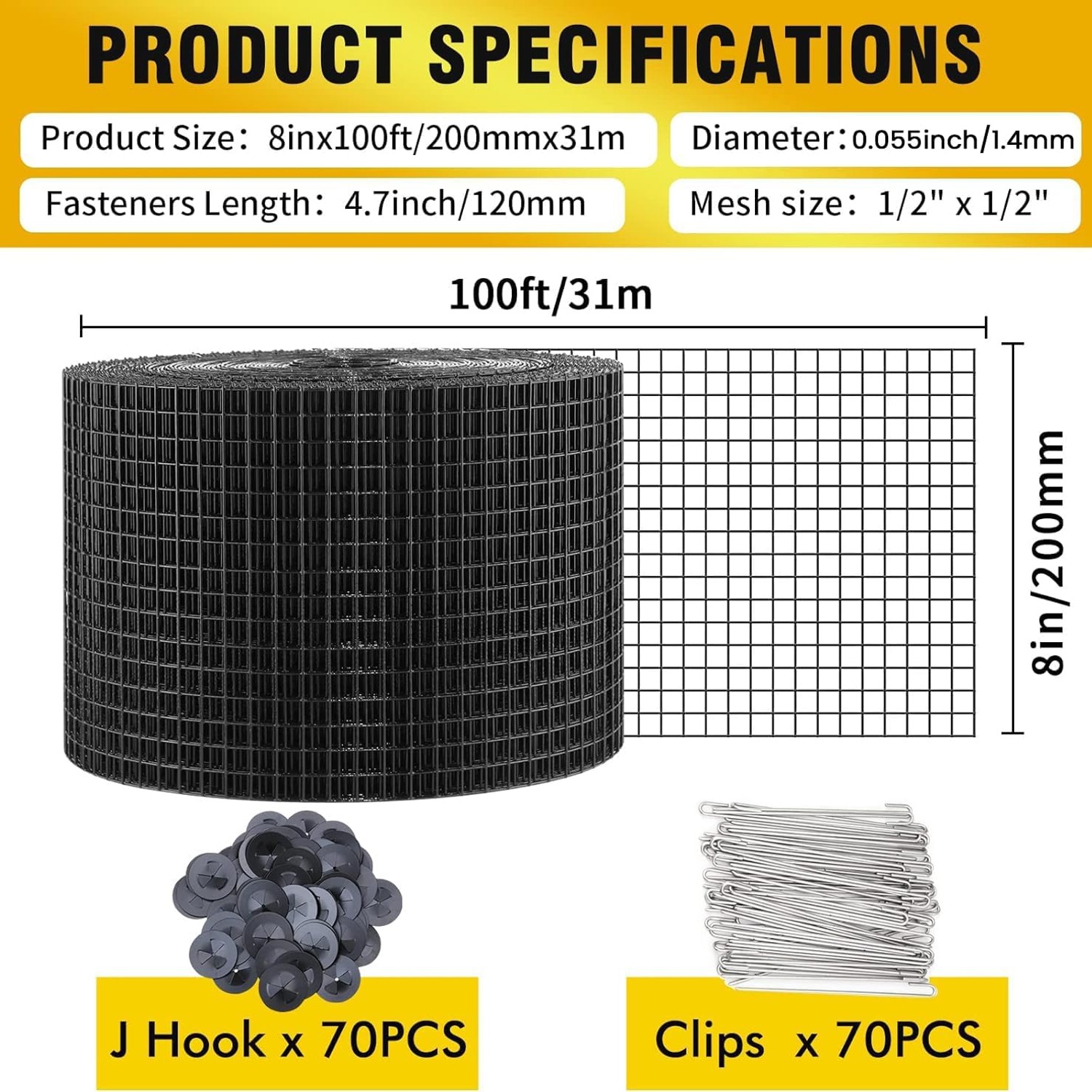
  • Half Inch Openings
  • 100 ft Coverage
  • PVC Coated Steel
  • 70 Fasteners Included

Price: $119.99 $143.99

  • Free tracked USA-wide delivery on orders $75+, otherwise a flat $9.95
  • Pay by card or PayPal, handled by the payment provider
  • 14 days to change your mind, plus your statutory rights
Product specifications
BrandDWALE
Product TypeSolar panel bird and critter guard mesh
MaterialSteel with PVC coating
ColorBlack
Mesh Opening1/2 inch square
Roll Length100 ft (1200 in)
Roll Width8 in (96 in stated on packaging as folded width)
Fasteners Included70 stainless steel clips
Item Weight7 kg
ConditionNew
Weight7 kg
Shipping & returns

Tracked delivery anywhere in the USA. It is free on orders of $75 or more, and a flat $9.95 below that.

If it is not right for you, send it back within 14 days of delivery in resaleable condition and we refund the price you paid, including standard delivery. That is a voluntary policy we offer on top of your legal rights. You cover the cost of returning it unless the item is faulty.

If it arrives faulty, damaged or not as described, we put it right at no cost to you under the consumer protection law of your state and the Federal Trade Commission Act, return postage included.

Shipping details · Refunds and returns

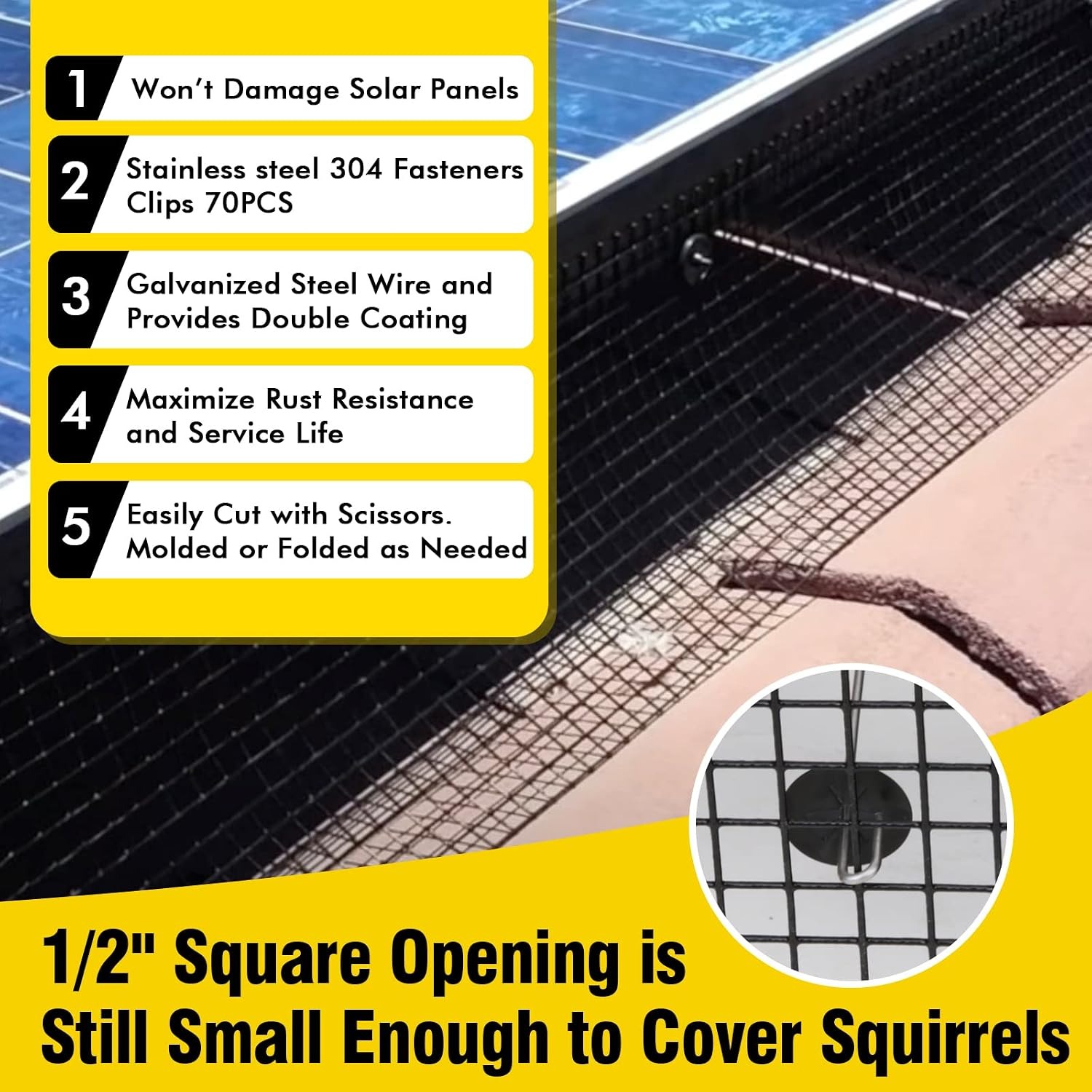
Half Inch OpeningsSmall enough to block pigeons, starlings and squirrels from the panel cavity.
100 ft CoverageOne long run covers the perimeter of a typical residential array.
PVC Coated SteelGalvanized wire with a black PVC skin for weather and abrasion resistance.
70 Fasteners IncludedStainless steel clips supplied so you can start the job without a second order.

Keep nesting birds out from under your array with a solar panel bird guard 8 inch wide roll that fits the gap in one pass.

A 100 ft length of PVC coated steel mesh with half inch openings, supplied with 70 stainless steel fasteners so you can clip, bend and secure the barrier around panel edges, conduits and vents.

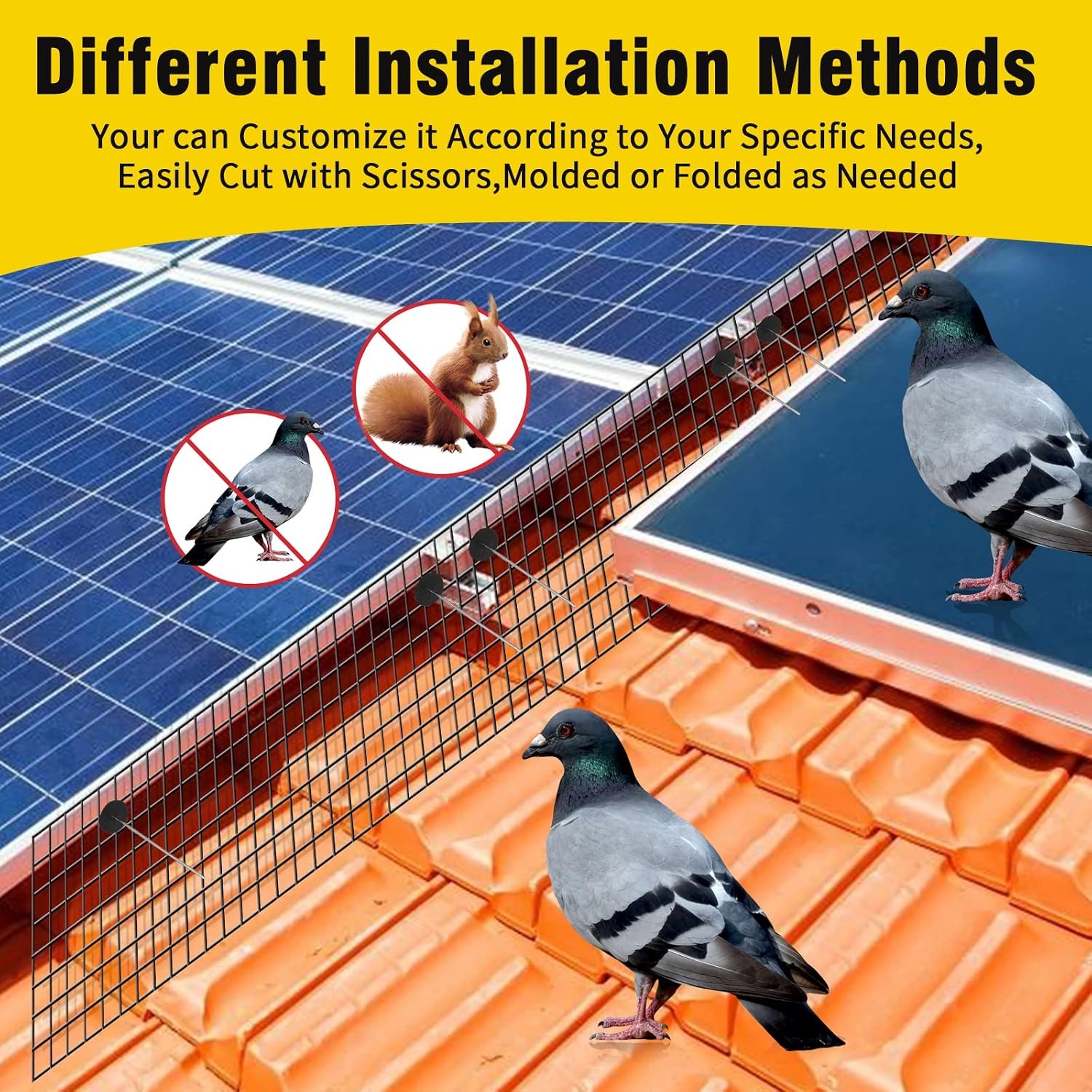
This solar panel bird guard 8 inch mesh closes the open gap between your panels and the roof, which is the exact space pigeons look for when they want somewhere dry to nest.

The roll is 100 ft long and 8 in wide, so a single purchase usually wraps the full perimeter of a domestic array with some spare for awkward corners.

Half inch square openings are tight enough to stop birds and squirrels while still letting air move freely under the panels.

The steel wire is galvanized and then PVC coated in black, so it blends with the panel frames and resists corrosion, water and general roof grime.

Seventy stainless steel fasteners come in the box, so the mesh can be clipped to the panel frame without drilling into the panel itself.

Solar Panel Bird Guard Mesh 8 in x 100 ft

Solar panels sit a few inches above the roof surface, and that shaded cavity is close to perfect for a pigeon. It is dry, it is sheltered from wind, and predators cannot reach it. Once a pair moves in, you get nesting material packed against the panel backsheet, droppings running down the tiles, and a steady noise overhead at dawn. This mesh roll exists to close that gap before any of that starts, or to shut it off for good after a clean out.

Solar Panel Bird Guard Mesh 8 in x 100 ft

The guard is a half inch square mesh made from galvanized steel wire with a black PVC coating over the top. The coating does two jobs. It adds a layer of protection against rain, grit and the mild acids in bird droppings, and it makes the mesh visually disappear against dark panel frames when you look up from the ground. The 8 inch width is chosen to suit the common mounting height of residential arrays, giving you enough material to run up behind the frame and still leave a tail to fasten.

Solar Panel Bird Guard Mesh 8 in x 100 ft

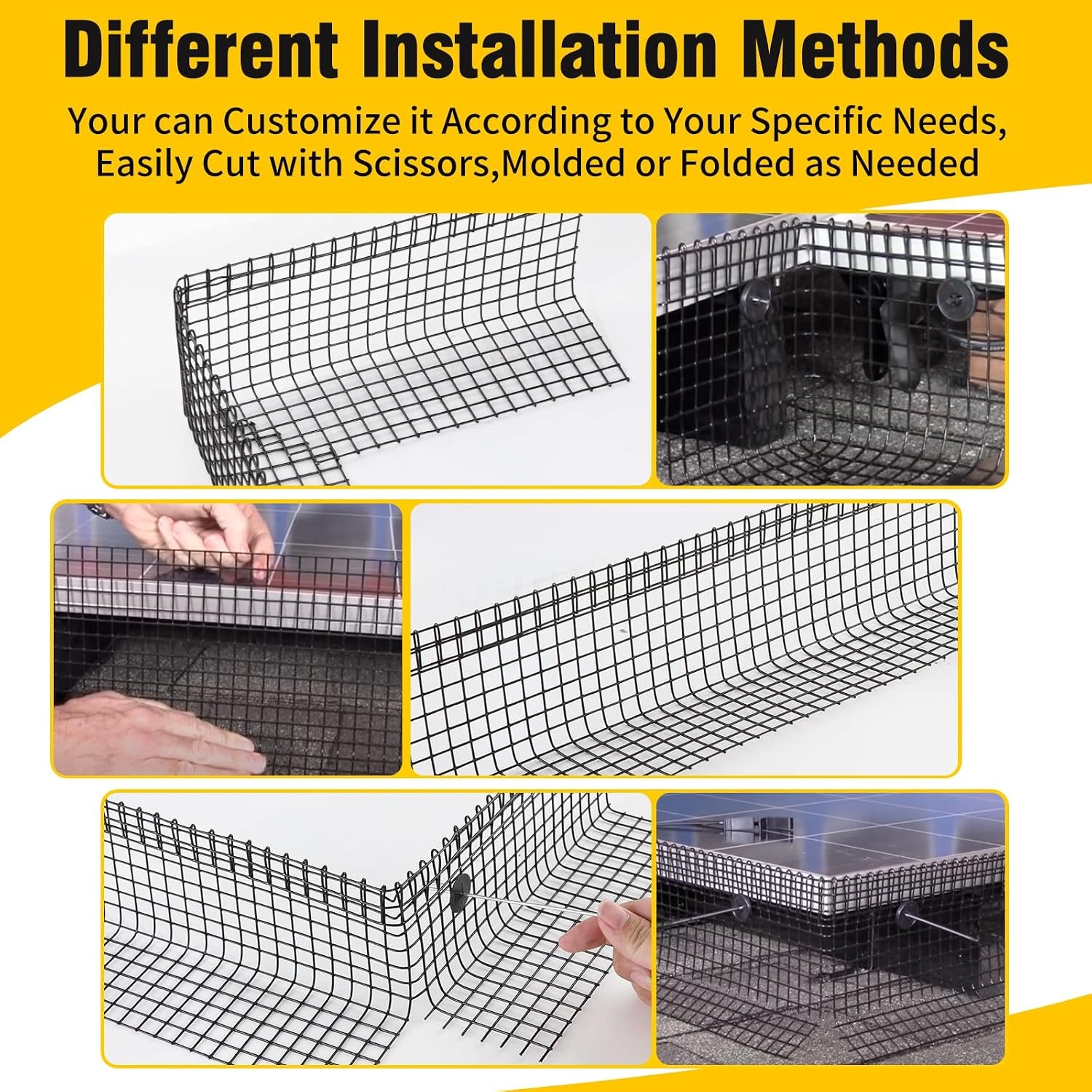
A full 100 ft roll goes a long way. Measure the perimeter of your array, add a little for overlap at joins and for folding at corners, and most homes with ten to twenty panels will be covered by this one roll. The wire is flexible enough to bend by hand or with pliers, which matters when you reach vents, conduit runs, mounting feet and the small gaps where rails cross. You can shape the mesh around those obstacles rather than cutting a hole and hoping.

Solar Panel Bird Guard Mesh 8 in x 100 ft

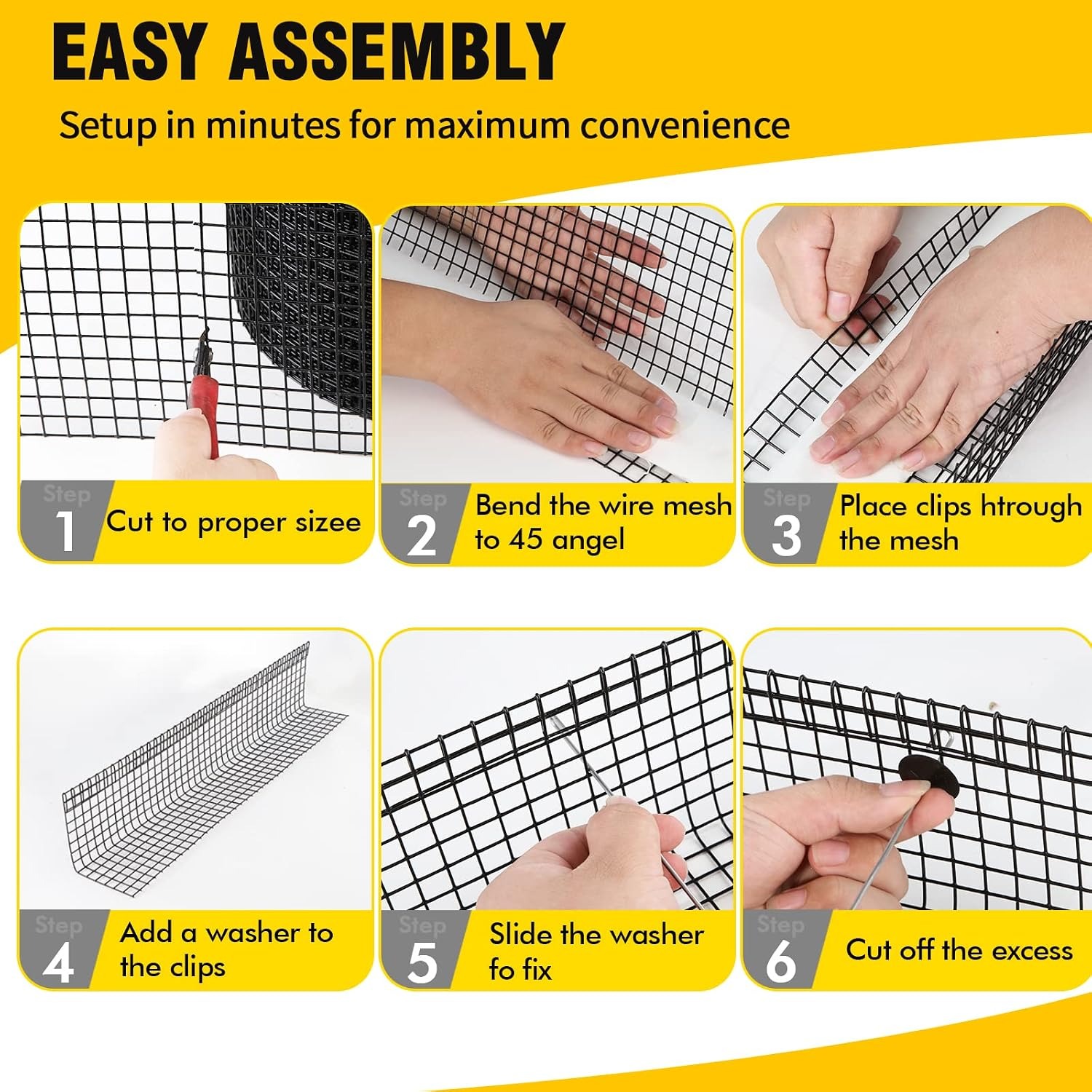
Installation is straightforward if you are comfortable and safe working at height. The mesh is pressed up under the panel edge and held with the supplied stainless steel clips, which grip the panel frame lip. Nothing needs to go through the panel, and no holes go into the roof. Keep the mesh snug against the frame so there is no entry point at the top, and overlap joins by a few inches so nothing can push through at a seam.

Solar Panel Bird Guard Mesh 8 in x 100 ft

A few practical notes. Clear out any existing nest before you seal the gap, and wear gloves and a mask while you do it. Work in sections so you are never carrying a long loose length of mesh on a ladder. Cut ends are sharp and uncoated, so turn them inward or tuck them under the frame. Done properly, this is a one time job that stops the problem rather than managing it season after season.

Not sure yet? That is fine.

A spike strip has to fit the ledge, and you cannot always judge the base width or the run from a photograph. If it is not right for you, send it back within 14 days of delivery in resaleable condition and we refund the price you paid, including standard delivery. That is a voluntary policy we offer on top of your legal rights.

If it turns up faulty, damaged or not as described, that is on us. The consumer protection law of your state covers you, and we pay the return postage. Read the full detail on our refunds and returns page, or ask us anything before you order.

Frequently Asked Questions

What does this product actually do?

It blocks the open gap between your solar panels and the roof so birds and small animals cannot get underneath. The mesh is clipped to the panel frame and forms a continuous skirt around the array. Once that gap is closed, there is nowhere for a nest to go.

How wide is the mesh?

The working width is 8 inches, which suits the typical mounting height of a residential rooftop array. That gives you enough material to sit flush under the panel edge and still have a tail to fasten. The listed product dimensions are 1200 inches by 96 inches.

How long is the roll?

The roll is 100 ft, which is 1200 inches. For most homes with ten to twenty panels, that covers the full perimeter with some spare. Measure your array perimeter first and add about ten percent for overlaps and corners.

What size are the mesh openings?

The openings are half inch squares. That is small enough to keep out pigeons, starlings and squirrels, and it still lets air move freely under the panels. Airflow matters because panels run a little cooler when they can breathe.

What is the mesh made from?

It is steel wire that has been galvanized and then coated in PVC. The galvanising protects the steel and the PVC adds a second barrier against moisture, grit and abrasion. The finish is black.

Will it rust?

The galvanized and PVC coated construction is built to resist corrosion in normal outdoor conditions. The weak point on any coated mesh is a cut end, because the bare steel is exposed there. Tuck cut ends under the frame or seal them with exterior paint.

Does it come with fasteners?

Yes, 70 stainless steel fasteners are included. They clip onto the panel frame lip and hold the mesh in place. For a very large array you may want to buy extra clips, but 70 covers a typical residential job.

Do I need to drill into my solar panels?

No. The supplied clips grip the aluminum frame of the panel, so nothing penetrates the panel or the glass. Drilling into a panel would void most manufacturer warranties, so avoid it entirely.

Do I need to drill into the roof?

No. This method fastens to the panel frames rather than the roof surface, so your tiles or shingles stay intact. That is one of the main reasons people choose a clip on critter guard mesh over screwed battens.

Will this affect my solar panel warranty?

Because the clips attach to the frame and not the panel body, this approach is generally accepted. That said, every installer and manufacturer sets their own terms, so check your paperwork if you are unsure. If in doubt, ask your installer before you fit it.

Is it hard to install?

The mesh itself is easy to work with. The hard part is the roof access, so take that seriously. If you are not confident on a ladder or on a pitched roof, hire a solar maintenance crew and hand them the roll.

What tools do I need?

Heavy gloves, tin snips or wire cutters, pliers for bending, and a tape measure. Safety gear for roof work is essential, including a stable ladder and a safety line on a steeper pitch. A helper on the ground makes the job much faster.

Can I cut the mesh to length?

Yes. Tin snips or a decent pair of wire cutters go through it cleanly. Cut ends are sharp, so wear gloves and point them inward once fitted.

Can I bend it around corners and vents?

Yes, the wire is malleable enough to be folded by hand or shaped with pliers. That is useful around conduit runs, mounting feet, railings and vents. A proper fold is better than cutting a gap, because gaps are where birds get back in.

What birds does it stop?

It is aimed at pigeons and starlings, which are the usual culprits under rooftop arrays. The half inch opening is also small enough to deter sparrows from squeezing through. Larger birds have no chance.

Will it stop squirrels and rodents?

It is designed as a critter guard for solar panels, and the half inch steel mesh is a serious obstacle for squirrels and rats. A determined rodent will test the edges, so the key is fastening the mesh tightly with no slack. Check it after the first few months.

What about wasps or insects?

Half inch openings will not block insects. This is a barrier for birds and small mammals. If you have a wasp issue under the array, that needs separate treatment.

Should I clean out a nest before fitting?

Yes, always. Sealing a bird in is both cruel and a problem, and old nest material is a fire and pest risk sitting against warm panels. Wear gloves and a dust mask, bag the debris, and give the area a rinse before you fit the best solar panel bird guard you can get on.

What time of year should I install it?

Outside of active nesting season is best, so late summer through winter in most regions. If birds are already nesting, wait until the young have fledged before you seal the gap. Local wildlife rules may apply, so check if you are unsure.

Will it reduce panel performance?

No. Mesh fitted at the perimeter does not shade the panel face, and the half inch openings keep airflow under the array. Some owners actually find panels stay cleaner because there is no droppings build up.

Does the black color matter?

It is mostly cosmetic. Black mesh sits against black panel frames and dark roofs, so from street level it is barely visible. The PVC coating is what carries the color.

Does it work on ground mount arrays?

It can be used on ground mounts, carports and pergola style installs, though those often need a different width or extra fastening. The 8 inch width suits the standard roof gap. Measure your gap before ordering if your mount is unusual.

How much does the roll weigh?

The item weight is 7 kg. That is manageable for one person on the ground but awkward on a ladder, so cut it into working lengths before you climb. Pass sections up rather than carrying the whole roll.

How do I clean it?

Rinse it with a hose when dust or leaves build up, and use a soft nylon brush on stubborn spots. Keep away from solvents and wire brushes, which damage the PVC skin. A rinse once or twice a year is plenty in most climates.

How often should I check it?

A quick visual check each spring and after any big storm is sensible. You are looking for loose clips, sagging sections and new gaps at joins. Fixing a loose clip early stops a bird finding the weak spot.

What is the country of origin?

The country of origin is not specified in this product record. The brand listed is DWALE. If that detail is important to you, contact us before ordering and we will check with the supplier.

Is there a warranty?

No formal warranty is stated for this item in our records. The materials are chosen for outdoor durability, with galvanized steel under a PVC coating. Any issue on arrival is covered by our standard returns process.

How is it delivered?

It ships as a coiled roll with the fastener pack included. Delivery times depend on your country storefront and are shown at checkout. You will get tracking once the order leaves the warehouse.

Does it make a sensible gift?

For anyone who has just had solar installed, yes, it is a genuinely useful gift. New owners often do not realize the gap under the panels is an open invitation until the first nest appears. Pair it with a decent pair of work gloves.

What if it is not right for my setup?

If the mesh does not suit your array, contact us with your order number and we will sort out a return or exchange under our standard policy. Keep the roll unopened and in its packaging if you think you may send it back. If you are not sure it will fit before ordering, send us your panel gap measurement and we will tell you honestly whether this is the right product.

How to Stop Birds Nesting Under Solar Panels, A Practical Buyer's Guide

6 min read American Pest Spikes

The problem nobody mentions when the panels go in

Solar installers are good at talking about output, inverters and payback periods. Almost none of them mention the gap. Every rooftop array sits a few inches clear of the roof surface so air can pass underneath and keep the panels cool. That gap is functional and necessary. It is also, from a pigeon's point of view, an ideal apartment.

Think about what a nesting bird wants. Shelter from rain. Shade in summer and warmth in winter. A roof over its head so hawks and cats cannot reach the chicks. A flat, stable surface. The cavity under your solar panels ticks every box, and it is usually three meters or more off the ground with no obvious way for a human to interfere.

So they move in. First one pair, then their offspring the following year, and within two or three seasons you can have a colony. The signs are easy to spot. Streaks of droppings down the tiles under the array. Twigs and feathers poking out at the panel edges. Scratching and cooing overhead at five in the morning. And when you finally get a look, a thick mat of nesting material packed tight against the back of your panels.

That last part is the one worth taking seriously. Nest material holds moisture against the panel backsheet and the wiring. It blocks the airflow the gap was designed to provide. It attracts mites and other pests. Dried nesting material near warm electrical components is not something any electrician is relaxed about. Add the acidity of accumulated droppings on roof tiles and flashing and you have a maintenance problem that gets more expensive the longer you leave it.

How a bird guard mesh actually works

The fix is boring and effective. You close the gap. Not with spikes, not with a deterrent gel, not with a plastic owl. You physically block the opening around the perimeter of the array with a mesh the birds cannot get through or push aside.

This roll is half inch square mesh made from steel wire. The wire is galvanized first, which is the standard way of protecting steel outdoors, and then it gets a black PVC coating on top. Two layers of protection on a product that will sit in sun, rain and frost for years. The PVC also gives it the black finish, which matters more than you would expect. Black mesh against black panel frames is close to invisible from the street. Bright galvanized mesh is not, and people do notice.

Half an inch is the right opening size for this job. Go bigger and sparrows start squeezing through. Go smaller and you begin restricting the airflow the gap exists to provide, and you also create a surface that catches leaves and debris. Half inch square is the long standing compromise for the best solar panel bird guard setups, and it blocks squirrels as well as birds.

The width is 8 inches. That is sized to the gap you find on most residential installs. You want enough mesh to sit right up against the underside of the panel edge, with a tail that folds down and sits against the roof or tucks behind the mounting rail. Eight inches gives you that on a standard install without wasting material.

A 100 ft roll sounds like a lot until you measure. A twelve panel array in a three by four layout has a perimeter well over 60 ft once you account for the frame dimensions. Add overlaps at joins, folds at corners, and a bit of waste where you misjudge a cut, and most domestic jobs use 70 to 90 ft. One roll usually does it. If you have a large or split array, measure first and order accordingly.

Who this suits

The obvious buyer is a homeowner who already has birds and wants them gone for good. If that is you, understand the order of operations: remove the nests first, clean the area, then seal. Sealing birds in is cruel and it also leaves rotting material trapped under your panels.

The smarter buyer is the one who has just had panels installed and has not had a problem yet. Fitting the mesh before the first pair of pigeons finds the gap is far easier and far cheaper than cleaning up afterward. If you are reading this a month after your install, you are in the best possible position.

It also suits landlords and property managers with multiple roofs to look after, and anyone with a commercial array where droppings on the panel face start costing real money in lost output. A good critter guard mesh roll is a one time spend against an ongoing cleaning bill.

The people this does not suit are those who are not comfortable on a roof. Be honest with yourself. Pitched roof work with a 7 kg roll of wire is not a casual Saturday job if heights bother you. Buying the material and paying a solar maintenance crew half a day to fit it is still cheaper than a professional supply and install package, and nobody falls off anything.

Choosing and measuring

Start with the gap. Get a tape measure to the edge of the array and measure from the roof surface to the underside of the panel frame. Most residential installs land between 3 and 6 inches. If yours is much more than that, say a tilted frame on a flat roof, you may need a wider product than this one.

Next, measure the perimeter. Walk the outside edge of the whole array, including the gaps between separate panel groups if they are not touching. Add ten percent. That covers overlap at joins, which should be a few inches, plus folds at each corner.

Then count your fastening points. The supplied 70 stainless steel clips go on at roughly 12 to 18 inch intervals along the top edge. Do the maths against your perimeter. If you are over 70 clips, order a spare pack. Spacing clips too far apart leaves sagging sections, and sag is exactly where a determined pigeon will push through.

Finally, plan your obstacles. Walk the perimeter and note every conduit, vent, mounting foot and railing you will meet. The wire bends by hand, so the right approach is to fold the mesh around the obstruction rather than cut a hole. Every cut is a potential gap. Every fold is solid.

Fitting it properly

Work in sections. Cut manageable lengths on the ground, five or six feet at a time, and pass them up. Nobody should be wrestling a full 100 ft coil on a ladder.

Push the top edge of the mesh up tight against the underside of the panel frame, then clip it. Snug is the word. A loose mesh flaps in wind, wears at the clip points and gives birds something to work at. Keep tension across each run.

Overlap your joins by at least three inches and clip through both layers. A butt join with no overlap will open up within a season.

Point cut ends inward or tuck them under the frame. They are sharp, they are bare steel under the coating, and they are the one part of the installation that can corrode. If a cut end is going to be exposed, dab it with exterior metal paint.

Keeping it working

Maintenance is light. Hose the mesh down when you see dust, pollen or leaf build up, and use a soft brush on anything stubborn. Avoid solvents and avoid wire brushes, since both will take the PVC off and expose the steel.

Give it a visual check each spring and again after any severe storm. You are looking for three things: clips that have popped off, sections that have started to sag, and any new gap at a join or corner. All three are five minute fixes if you catch them early.

If a bird does find a weak point, the mesh is not failing. A clip is. Re-fasten it and move on.

The short version

Birds nest under solar panels because the gap is dry, shaded and safe. The only reliable fix is a physical barrier around the array perimeter. This roll gives you 100 ft of half inch PVC coated steel mesh, 8 inches wide, plus 70 stainless clips that grip the panel frame without drilling anything.

Measure your perimeter, add ten percent, clear any existing nests before you seal, keep the mesh tight and overlap your joins. Do that and the problem stops being an annual chore. It just stops.

Browse the shop

Not sure how much mesh you need?

Measure the outside perimeter of your array, add ten percent for overlaps and corners, and our team will confirm whether one 100 ft roll will cover it.

Ask us a question

Page summary

The DWALE solar panel bird guard is a 100 ft roll of half inch square mesh, 8 inches wide, made from steel wire that is galvanized and then PVC coated in black. It is designed to close the open gap between roof mounted solar panels and the roof surface, which prevents pigeons, starlings and squirrels from nesting in the cavity. The roll ships with 70 stainless steel fasteners that clip to the panel frame, so no drilling into panels or roof is required. Stated product dimensions are 1200 inches by 96 inches and item weight is 7 kg. Country of origin and a formal warranty are not specified in this record. The mesh can be bent by hand around conduits, vents and railings.