American Pest Spikes
Company
Shop By Category
T&Cs
Shop Online
  • Clear materials and product specifications
  • Free tracked USA-wide delivery over $75
  • 14-day returns

Cat and rodent anti-climb spikes | Cat and raccoon deterrent spikes | anti climb fence spikes

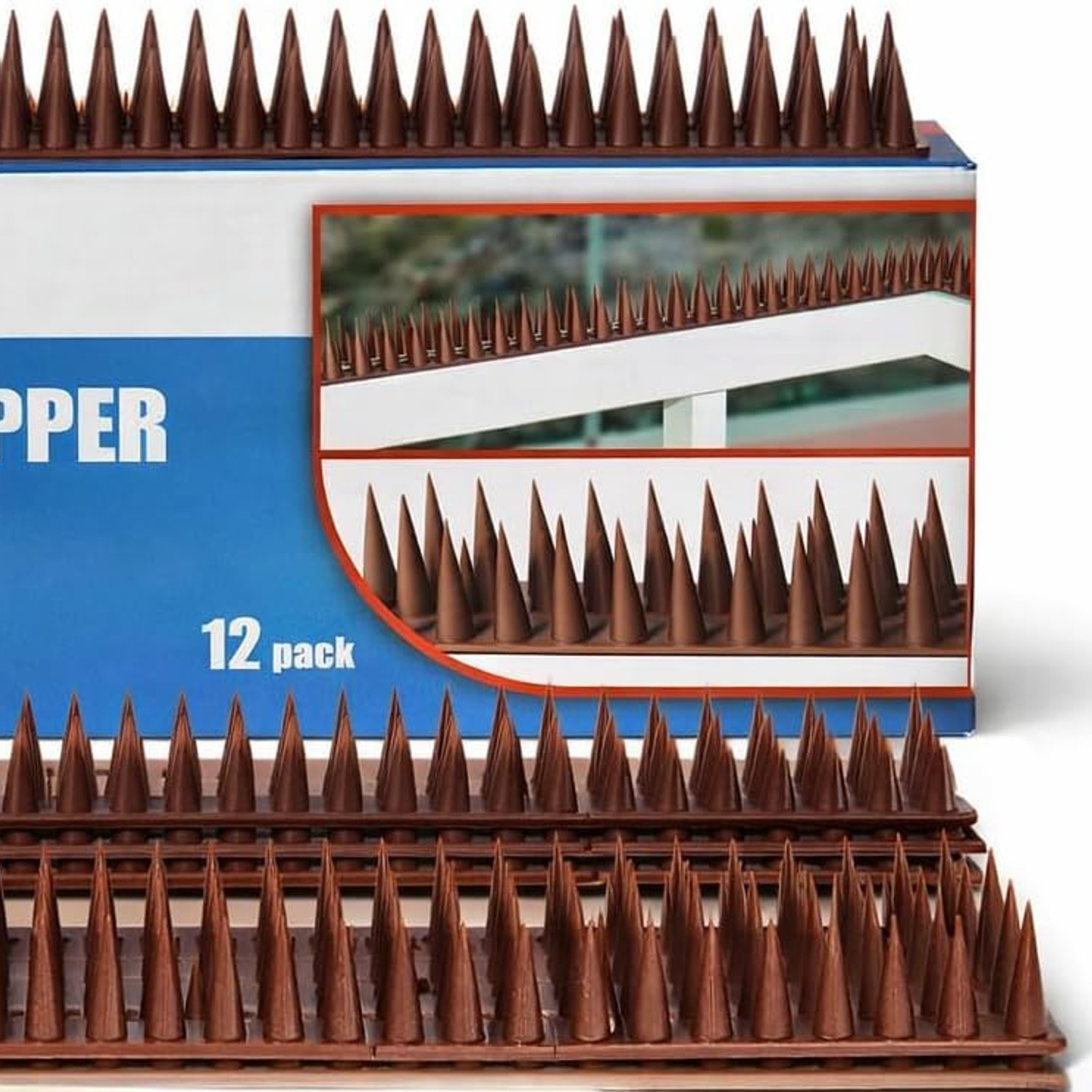
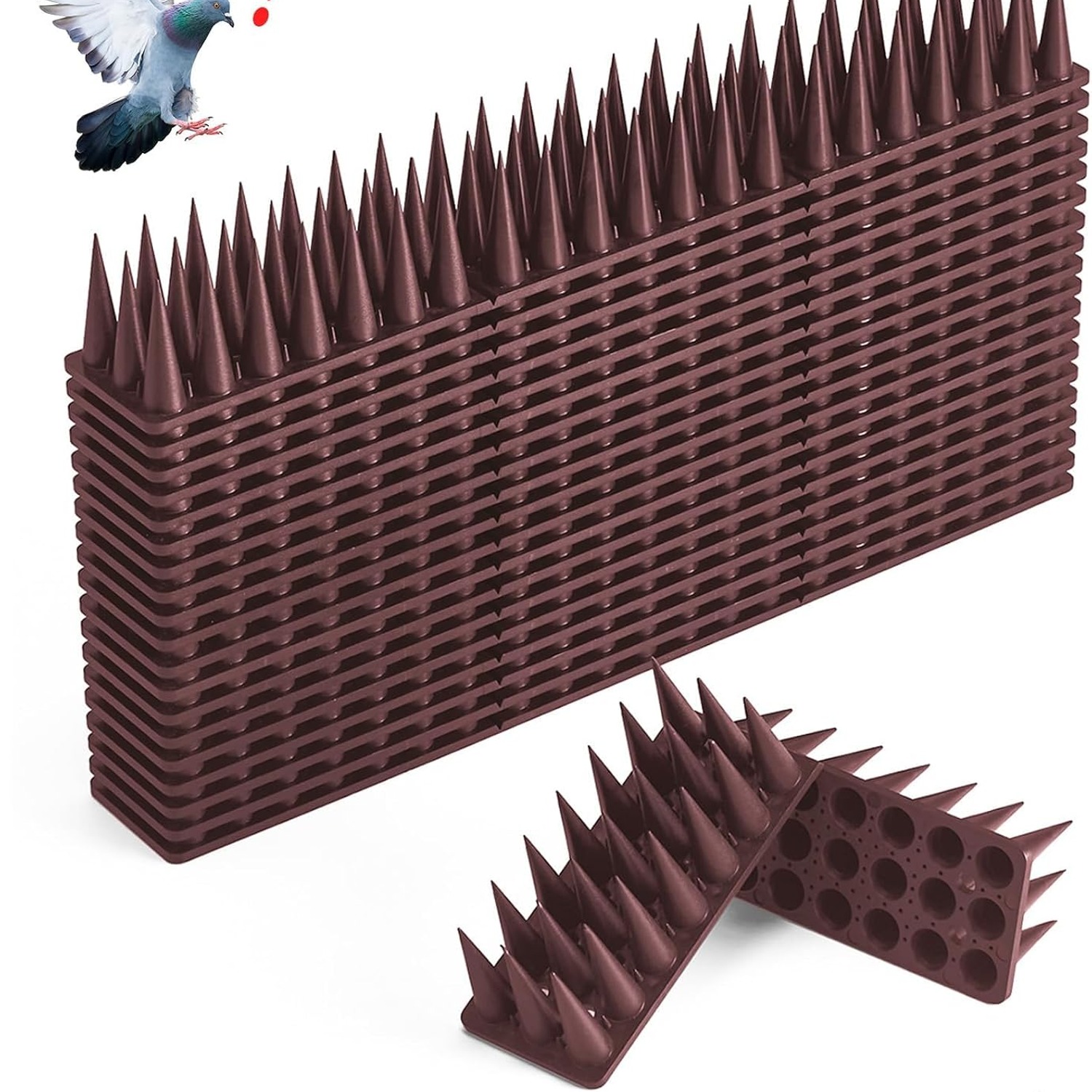
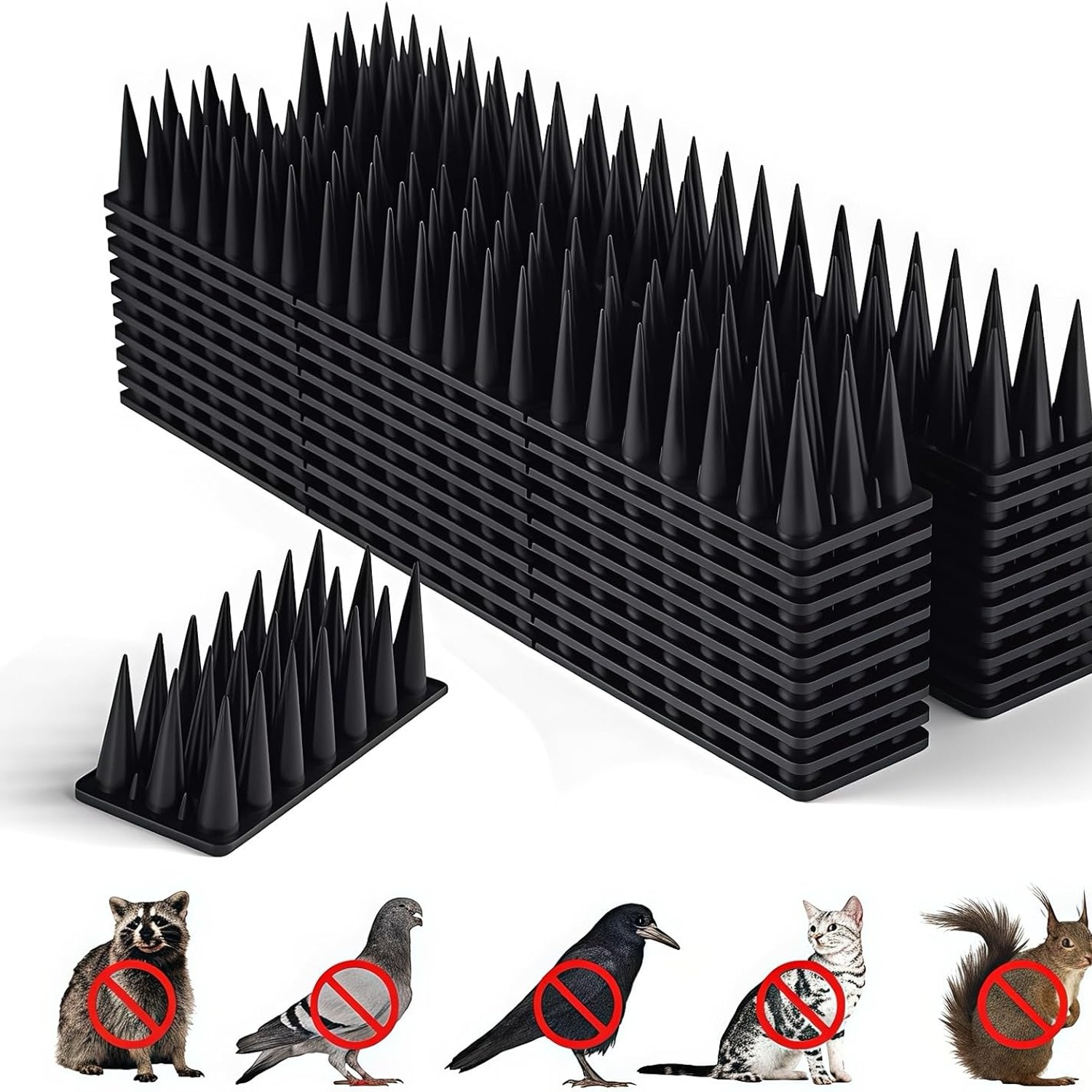
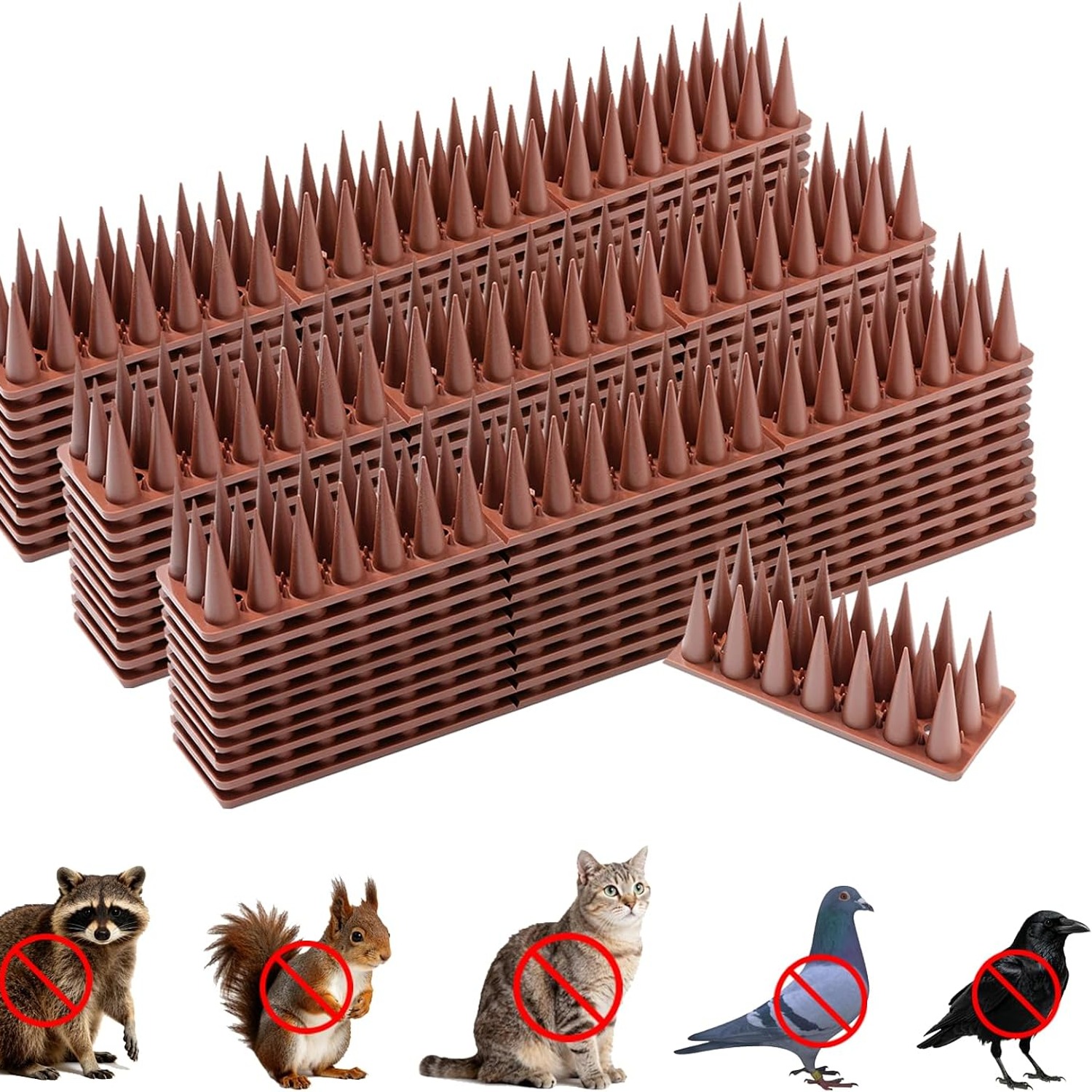
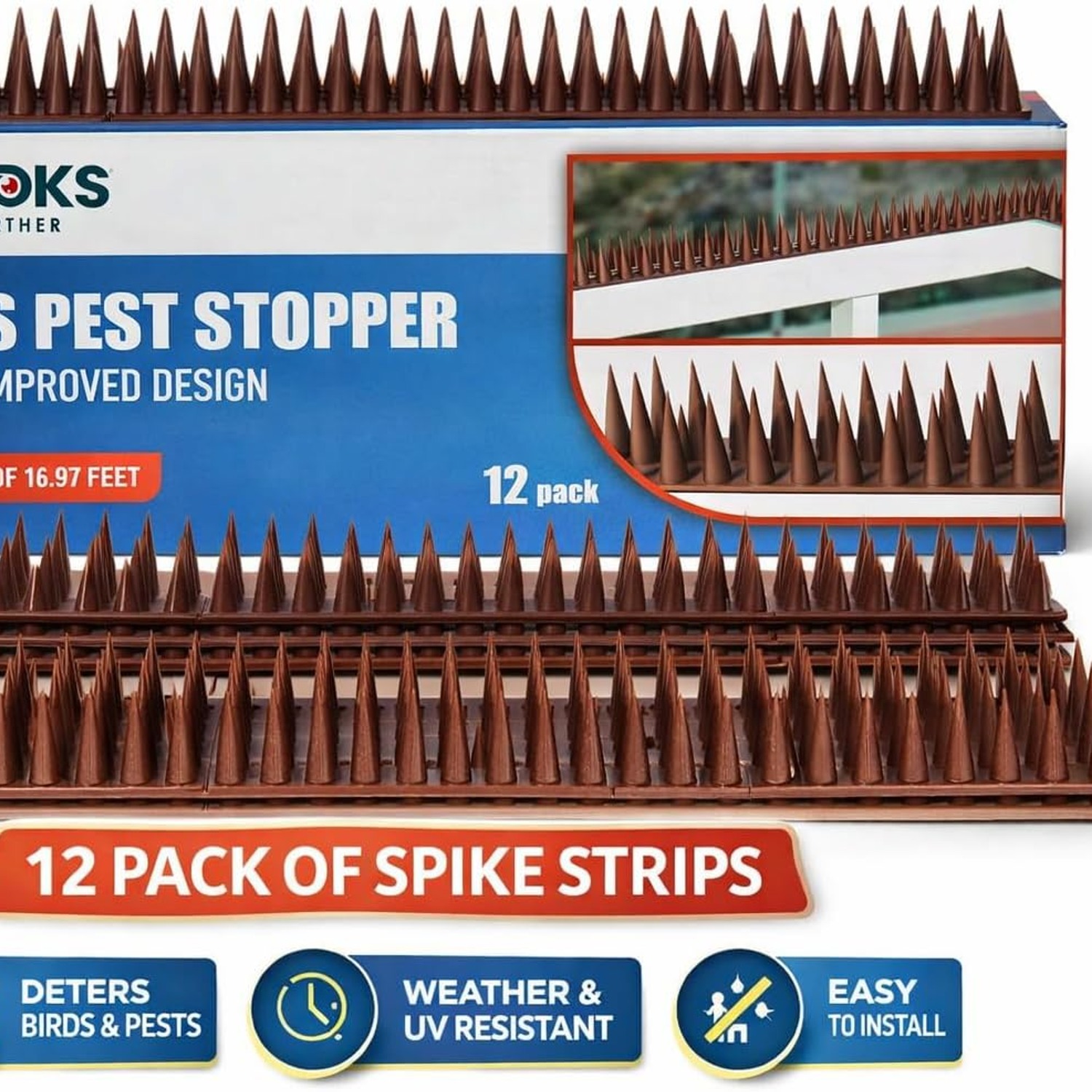
Cat and Rodent Anti-Climb Spikes 12 Pack

$37.99 $45.99 Save $8
  • Twelve Strip Pack
  • Built For Outdoors
  • Three Fixing Options
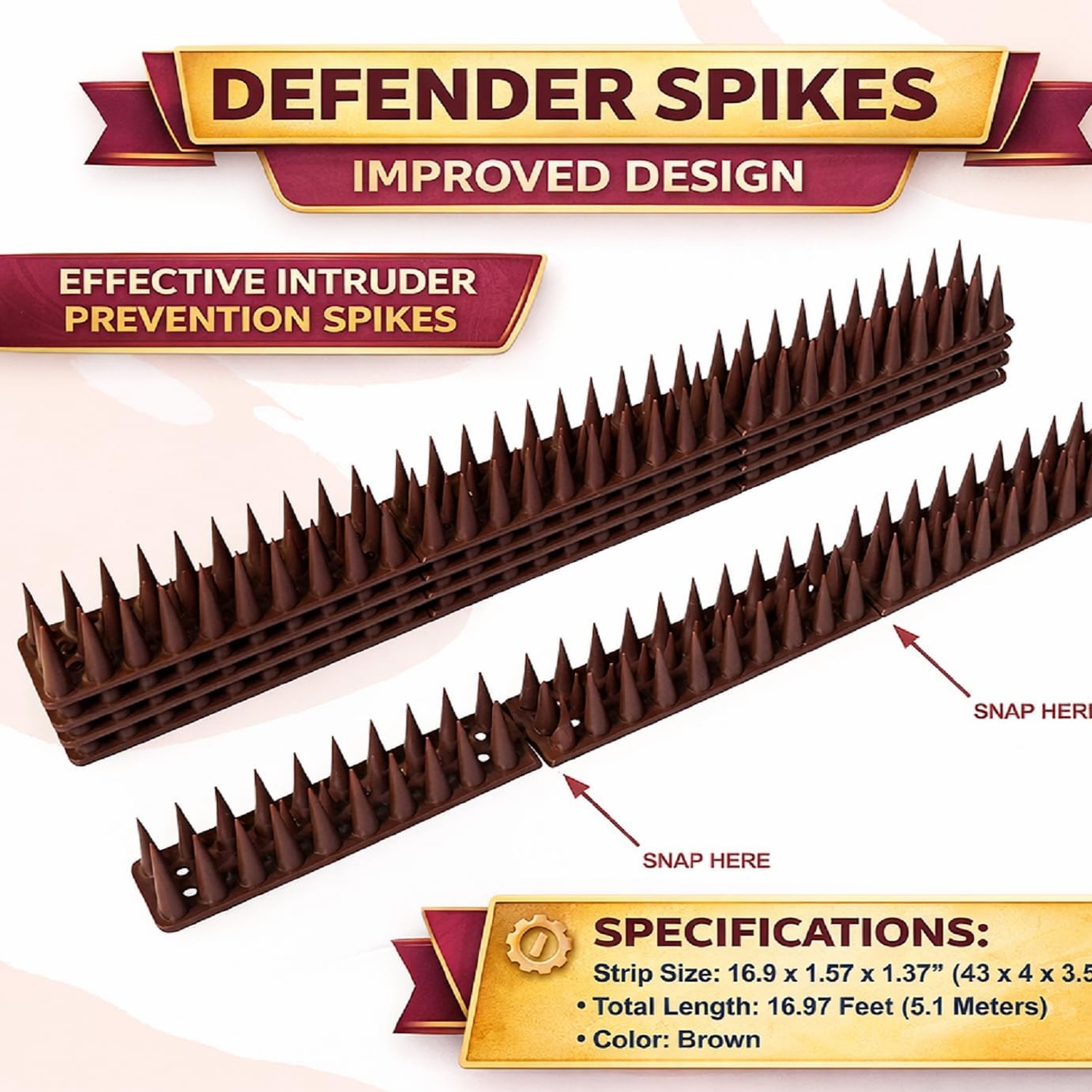
  • Snappable Segments

Price: $37.99 $45.99

  • Free tracked USA-wide delivery on orders $75+, otherwise a flat $9.95
  • Pay by card or PayPal, handled by the payment provider
  • 14 days to change your mind, plus your statutory rights
Product specifications
Pack Quantity12 strips
Product Dimensions431 x 40 x 35 inches
Item Weight1.98 pounds (0.9 kg)
ManufacturerOriginal Solutions
BrandPauls Pest Stopper
ConditionNew
Weight0.9 kg
Shipping & returns

Tracked delivery anywhere in the USA. It is free on orders of $75 or more, and a flat $9.95 below that.

If it is not right for you, send it back within 14 days of delivery in resaleable condition and we refund the price you paid, including standard delivery. That is a voluntary policy we offer on top of your legal rights. You cover the cost of returning it unless the item is faulty.

If it arrives faulty, damaged or not as described, we put it right at no cost to you under the consumer protection law of your state and the Federal Trade Commission Act, return postage included.

Shipping details · Refunds and returns

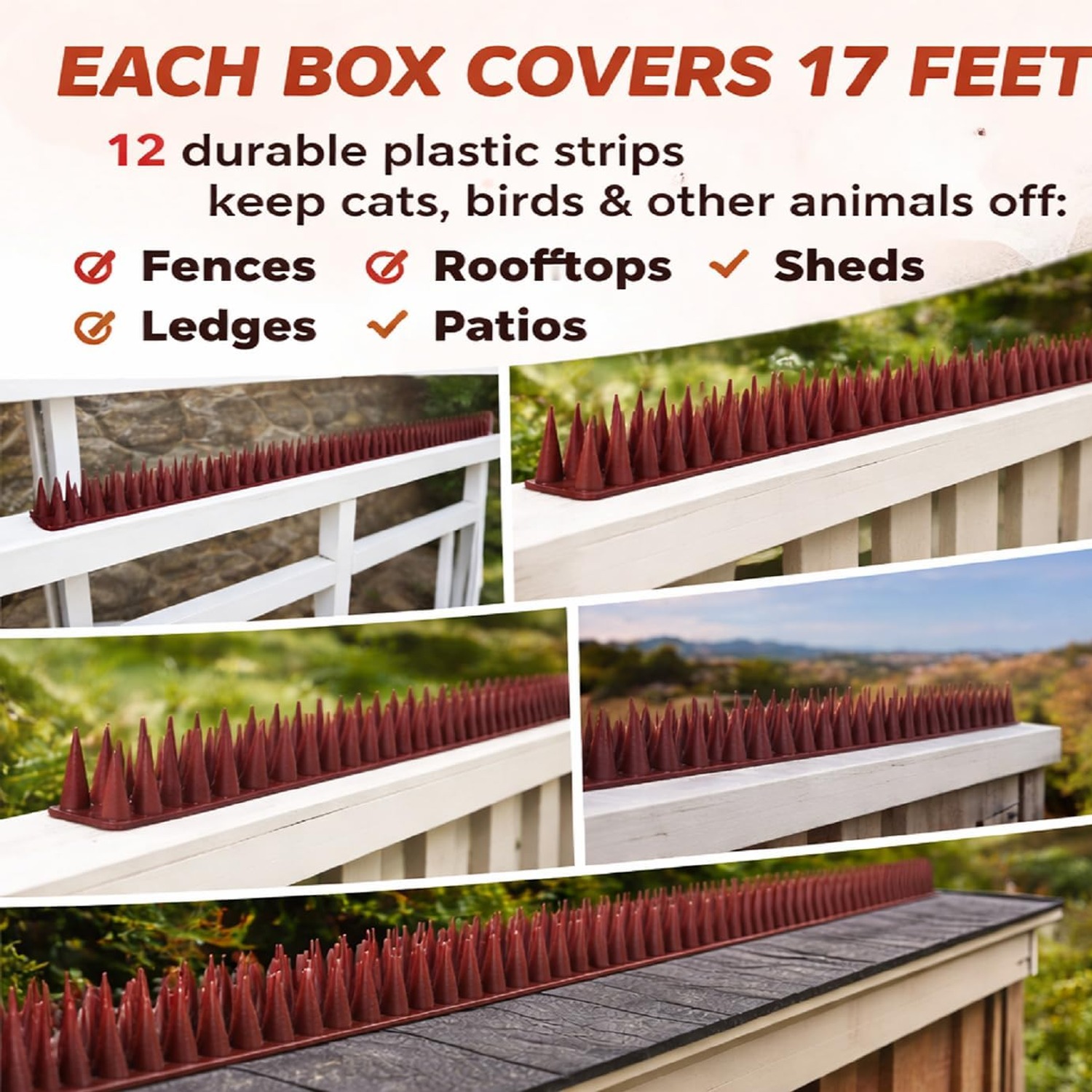
Twelve Strip PackEnough strips to run along a long fence line, shed edge or several window ledges.
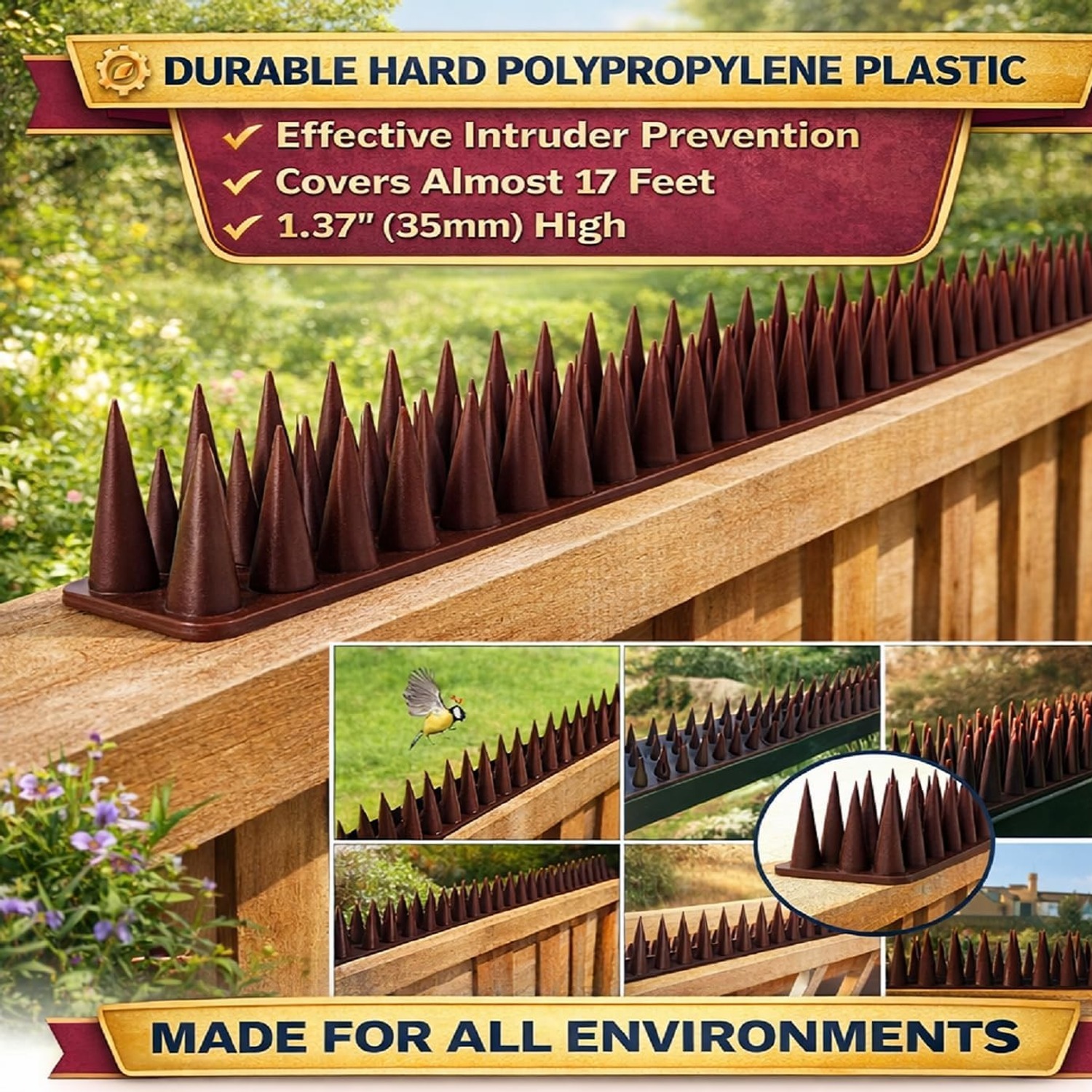
Built For OutdoorsPolypropylene strips shrug off rain, sun and frost without rusting like metal.
Three Fixing OptionsScrew, nail or zip-tie through the twelve holes in each strip.
Snappable SegmentsEach strip breaks into three segments so you can cover short, awkward runs.

Take back your fence tops, sheds and window ledges with cat and rodent anti-climb spikes that quietly tell animals to go elsewhere.

Twelve snappable polypropylene strips with twelve fixing holes each, built to screw, nail or zip-tie onto almost any flat edge in any weather.

Twelve plastic anti-climb strips give you enough length to protect a long fence top, a shed edge or a run of window ledges in one go.

Each strip is drilled with twelve fixing holes so you can screw it down, nail it or thread cable ties through in minutes.

The polypropylene will not corrode the way metal spikes do, which matters on a fence that sits in rain and sun all year.

Each strip snaps into three shorter segments, so narrow ledges and short gate caps are just as easy to cover as a long run.

The spikes work by making a surface uncomfortable to land on or walk across rather than by causing injury.

Cat and Rodent Anti-Climb Spikes 12 Pack

Most people buy spikes after the same frustrating week. A cat has started using the back fence as a highway, a raccoon keeps getting onto the shed roof, or birds have claimed a windowsill and left the mess to prove it. You can shout, you can hose, you can rearrange the bins, and none of it sticks. A physical barrier does, because it works whether or not you are home.

Cat and Rodent Anti-Climb Spikes 12 Pack

This pack gives you twelve plastic strips rather than one long piece, which is more useful than it sounds. Fences are rarely one clean run. There are posts in the way, a gate cap that is shorter than the rest, a bit of trellis, a section of wall that joins the shed. Twelve separate strips let you place the protection where the animals are actually walking and leave the rest alone.

Cat and Rodent Anti-Climb Spikes 12 Pack

Each strip also snaps into three shorter segments. That is the detail that saves a job going wrong. If you have a 300mm ledge above a kitchen window or a narrow pergola beam, you do not need to hack a strip with a saw and leave a ragged edge. You break off a segment, line it up, and fix it down. Twelve holes along each strip mean you can choose your fixing method based on what the surface is made of.

Cat and Rodent Anti-Climb Spikes 12 Pack

Being plastic is a practical advantage outdoors. Metal spikes look tough on day one, then streak rust down a painted fence after a couple of wet seasons. Polypropylene does not do that. It handles cold mornings and hot afternoons without going brittle in a hurry, and if the brown color clashes with your fence you can put plastic-suitable paint over it to help it disappear.

Cat and Rodent Anti-Climb Spikes 12 Pack

The deterrent is about comfort, not harm. Animals prefer flat, stable landing spots. Fill that spot with closely spaced points and they will pick a different route after a few attempts. That is the whole idea. Fit them properly, keep them clear of debris, and they will carry on doing a quiet job in the background for years.

Not sure yet? That is fine.

A spike strip has to fit the ledge, and you cannot always judge the base width or the run from a photograph. If it is not right for you, send it back within 14 days of delivery in resaleable condition and we refund the price you paid, including standard delivery. That is a voluntary policy we offer on top of your legal rights.

If it turns up faulty, damaged or not as described, that is on us. The consumer protection law of your state covers you, and we pay the return postage. Read the full detail on our refunds and returns page, or ask us anything before you order.

Frequently Asked Questions

What is in the pack?

You get twelve plastic anti-climb strips. Each strip is drilled with twelve holes for fixings and snaps into three shorter segments. That gives you a lot of flexibility for covering runs of different lengths.

How do cat and rodent anti-climb spikes actually work?

They remove the flat, comfortable surface that an animal needs to land on, perch on or balance along. Faced with a row of closely spaced points, most animals simply choose another route. There is no noise, no chemical and no power supply involved.

Will the spikes hurt the animals?

They are designed to deter rather than injure. The points discourage contact so the animal backs off before settling. As with any spiked product, fit them carefully and keep an eye on how pets and wildlife interact with them in the first few days.

Are these the best cat deterrent spikes for fences?

They suit most standard timber and masonry fence tops because you can fix them three different ways and break them to length. Whether they are the best cat deterrent spikes for fences for you depends on your fence width and whether the cap is flat enough to mount on. Measure the top rail first.

Can I use them on a brick or block wall?

Yes. Anyone looking for the best anti climb spikes for walls usually fixes them with masonry screws and plugs, or bonds them with an exterior adhesive where drilling is not allowed. The twelve holes per strip give you plenty of fixing points.

What length do the twelve strips cover in total?

The listing gives product dimensions of 431 x 40 x 35 inches, which reflects the combined strip length rather than a single piece. Treat that as the total run you can cover. Measure your fence line before ordering to confirm it is enough.

How do I fix them down?

Three ways. Screws or nails through the holes into timber, masonry fixings into brick or render, or cable ties threaded through the holes and around a rail or railing. Cable ties are the fastest option on metal railings and pipework.

Do I need any special tools?

A drill with a suitable bit, a screwdriver and a tape measure cover most installs. If you are tying them to railings you only need cable ties and snips. Gloves are sensible when handling spiked strips.

Can they be cut to length?

Each strip is designed to snap into three segments, so you can shorten without cutting in most cases. If you need an unusual length, the plastic can be trimmed with a fine saw, though snapping at the designed points gives a tidier edge.

Will they stop raccoons?

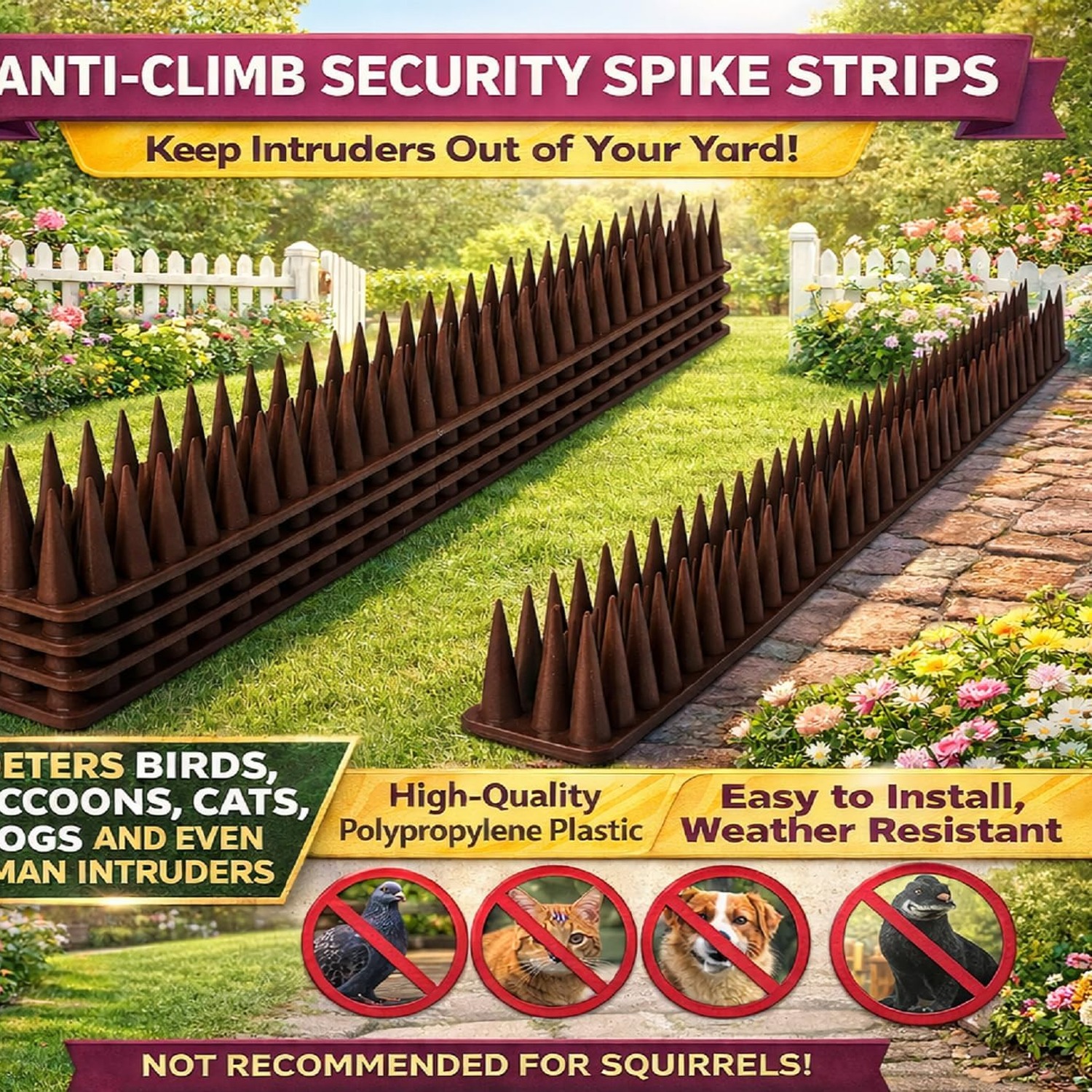
They are intended to discourage raccoons along with cats, dogs and birds. Raccoons are strong and persistent, so coverage matters. Looking for the best raccoon deterrent for fence tops usually means covering every realistic access point rather than one favorite spot.

Are they recommended for squirrels?

No. The supplier specifically states the product is not recommended for squirrels. Squirrels are agile enough to work around spiked strips, so look at a different approach for those.

Will they work on birds?

Yes, this style of strip is widely used as a perching deterrent. People searching for the best plastic bird spikes often choose plastic over metal for ledges and gutters because it will not rust-stain the surface underneath.

Can I paint them?

Yes. Use a paint made for plastics and apply it before installation so you get full coverage on all sides. A color close to your fence or render helps the strips blend in.

Will they rust?

No. The strips are plastic, so corrosion is not an issue the way it is with some metal spikes. Choose stainless or galvanized screws if you want the fixings to last as long as the strips.

How long do they last outdoors?

Plastic strips of this type are made to sit outside through rain, sun and frost. Lifespan depends on climate and exposure. Checking them once a year and replacing any perished cable ties is the main maintenance.

Can I use them on a shed roof edge?

Yes, the roof edge and fascia are common spots. Anyone after the best shed roof spikes usually runs them along the lowest accessible edge, since that is where the animal gets its first grip. Fix into the fascia board rather than the roofing material where you can.

Do they work on window ledges?

They do, and narrow ledges are exactly where the snappable segments help. The best window ledge bird spikes are the ones that sit flush with the front edge so there is no clear landing gap behind them.

What about gates and gate caps?

Gate caps are short, so snap the strips into segments and fix them along the top. If you are comparing the best gate security spikes, remember that visibility helps. People who can see the deterrent are less likely to try climbing.

Are they safe around children?

The supplier advises caution around children and animals, and the strips should be fitted well above head height on boundaries where children play. Use common sense about placement and never fit them at a level where someone could fall onto them.

Will they damage my fence?

Any screwed or nailed fixing makes a hole, so there will be small fixing marks if you remove the strips later. Cable ties avoid that entirely on railings and pipes. On painted timber, touch up around the fixings to keep moisture out.

Can they be reused if I move them?

Usually yes, if you undo the fixings carefully rather than prising the strips off. Plastic flexes, so slow and steady works better than force. Keep a few spare cable ties for refitting.

How many strips do I need?

Measure the exact run you want to protect in meters or feet, then work out how many strips that takes. Buy a little more than the bare minimum, because corners and awkward joints always eat length. Some people buy two packs for a full garden boundary.

Do I need to cover the whole fence?

Not always. Animals tend to use the same two or three crossing points, so watch where the paw prints or droppings are first. That said, a determined cat will test the gaps, so partial coverage sometimes just moves the problem a meter along.

How do I clean them?

Rinse with water and work a soft brush between the spikes to clear leaves and dirt. Do it once or twice a year, or more often under trees. Avoid harsh solvents that can weaken plastic over time.

Will they hold up in heavy snow or extreme heat?

They are made for outdoor use across seasons. In heavy snow, clear the build-up gently so weight does not sit on the strips for long. In very hot climates, check the fixings occasionally since any mounting surface can move with expansion.

What is the weight of the pack?

The listed item weight is 1.98 pounds, which is about 0.9 kg for all twelve strips. That makes them light enough to handle one-handed on a ladder, though a second person is always safer at height.

What color and material are they?

The color and material are not specified in our product record. The supplier lists dimensions, weight and manufacturer only, and we do not publish details we cannot confirm.

Do these make a good gift?

They are a practical gift for someone fighting a cat, raccoon or bird problem in their garden, and for new homeowners with an exposed boundary. Pair the pack with a box of stainless screws or heavy-duty cable ties and it becomes a complete job in a box.

How quickly will my order arrive?

Delivery times depend on your location and the shipping option you pick at checkout. You will see the estimate on the product page and again before you pay. Tracking details are emailed once the pack is dispatched.

What if they are not right for my situation?

Contact us with your order number and tell us what happened, whether it is a fit problem, a damaged strip or the wrong product for your fence. Unused items in their original packaging can be returned under our standard returns policy. If you tell us what you are trying to protect, we can usually point you at a better match from the range.

Anti-Climb Spikes Buyer's Guide, How To Stop Cats, Raccoons And Birds Using Your Fence

6 min read American Pest Spikes

The problem nobody warns you about

A fence is supposed to be a boundary. For a cat, it is a road. For a raccoon, it is a staircase to your shed roof. For birds, the top rail is a perch with a view, and whatever sits underneath becomes the toilet.

You usually notice in stages. First it is a bit of mess on the patio. Then the flower bed gets dug up. Then you find paw prints on the car bonnet, or you hear something moving across the shed roof at 2am. By the time most people start shopping for spikes, they have already tried shouting out the back door, moving the bins, and spraying something from a bottle that worked for about a week.

The reason those efforts fade is simple. They depend on you being there. A physical barrier does not. Once a spiked strip is fixed along a fence top, it is doing its job at 3am in the rain while you are asleep.

How anti-climb spikes actually work

There is a common misunderstanding worth clearing up. These strips do not work by hurting animals. They work by removing comfort.

Cats, raccoons and birds all need the same thing to use a surface: a flat, stable spot where they can put their weight down. A fence rail, a window ledge, the lip of a shed roof. Cover that spot with a row of closely spaced points and the surface stops being usable. The animal puts a paw down, finds no flat place, and reassesses.

Usually that takes a few attempts over a couple of nights. Animals are creatures of routine and they will test a route they have used before. After two or three failed tries, they stop including that section in their map and use something else. That is the win you are after. Not a dramatic confrontation, just a quiet route change.

The same logic applies to birds. A gull or pigeon wants a landing strip, and a spiked ledge is not one. This is why the best plastic bird spikes work on gutters, signs and air conditioning units as well as they do on fences.

Why plastic instead of metal

Metal spikes look more serious. In practice, plastic has real advantages outdoors.

The big one is corrosion. Steel on a wet fence streaks rust down the timber or render within a season or two, and once that stain is in a painted surface it is a repaint job, not a wipe-down. Polypropylene strips do not do this. They sit in rain and sun without reacting.

The second advantage is handling. Plastic strips are light. This whole twelve-strip pack weighs under a kilo, which matters when you are halfway up a ladder trying to line something up with one hand. Metal of the same length is heavier and sharper to handle.

Third, plastic takes paint. Use a product made for plastics and you can match the strips to your fence color before you fit them. A brown strip on a brown fence more or less disappears from a few meters away, which is worth doing on a front boundary.

Working out what you need

Start with a tape measure and a bit of observation.

Walk the boundary and look for evidence. Paw prints in dust, worn patches on the top rail, droppings beneath a particular perch, fur caught on a nail head. Animals do not wander randomly. They use two or three fixed crossing points, usually where a tree branch overhangs, where a bin provides a step up, or where the fence meets a wall.

Measure those sections, then add a margin. Corners, posts and joints always consume more length than the plan suggests. People shopping for the best anti climb spikes for walls often buy exactly the measured length and then come up short at the last post.

Also think about displacement. If you block one crossing point perfectly and leave the one three meters along untouched, the cat simply moves. Cover the obvious runs in one go rather than chasing the problem around your garden week by week.

Fitting them properly

Each strip here carries twelve holes, which gives you three realistic fixing methods.

On timber fence caps, rails and fascia boards, screws are the cleanest answer. Use stainless or galvanized screws so the fixings outlast the strips, and do not overtighten, because plastic will dish if you crank down too hard. Drill a pilot hole in older or thin timber to stop it splitting.

On brick, block or render, use masonry screws with plugs. This takes longer but gives a fixing that will not move. Mark your holes first, drill the lot, then offer the strip up once.

On metal railings, pipework and anything you cannot or should not drill, cable ties are the fast option. Thread them through the holes and around the rail, pull them tight, then snip the tails flush so they do not catch. Heavy-duty UV-stable ties are worth the small extra cost, because cheap indoor ties go brittle and snap after a year outside.

Whichever method you pick, mount the strips as close to the front edge of the surface as you can. A gap behind the spikes gives an animal somewhere to land, and a cat only needs a few centimeters.

The snappable segments are the detail that saves most installs. Short gate caps, narrow windowsills and odd little ledges between a wall and a downpipe do not need a full strip. Break off a segment, fix it, move on. No sawing, no ragged edges.

Where people fit them

Fence tops are the obvious one, but the same strips cover a lot of ground elsewhere.

Shed and garage roof edges stop raccoons and cats getting a first grip on the lowest point. Window ledges stop birds perching above a door, which is where most of the mess complaints come from. Pergola beams, carport rails, air conditioning unit housings, gutters and the top of a gate all take the same treatment.

If you are fitting them as a security measure on a gate or boundary wall, visibility works in your favour. Spikes that can be seen from the street do more deterring than spikes nobody notices. Check your local rules first, because some areas have requirements about what you can fit on a boundary at what height.

What these will not do

Worth being straight about this. The supplier specifically says the product is not recommended for squirrels. Squirrels are light, agile and good at finding a route around anything that is not a full enclosure. If squirrels are your main problem, this is not your answer.

Very determined animals may also test a partially covered boundary for longer than a casual visitor. Coverage and persistence on your side usually settle it.

Care over the years

There is not much to do, but there is something.

Debris is the main issue. Leaves, seeds and nesting material collect between the spikes, and once that mat builds up the surface becomes flat and usable again. A rinse and a soft brush once or twice a year handles it, more often if you are under a tree.

Check the fixings at the same time. Screws can work loose with seasonal movement in timber. Cable ties perish eventually and are a two-minute replacement. Keep solvents and strong cleaners away from the plastic.

Wear gloves whenever you are handling or cleaning the strips. The supplier advises caution around children and animals, which is sensible for any spiked product, and it is worth thinking about placement with that in mind.

The short version

If an animal keeps using your fence, roof edge or ledge, a physical barrier is the only thing that works without you being present. This twelve-strip pack gives you enough length for a long run, twelve fixing holes per strip so you can screw, nail or tie them down, and three snap points per strip for short awkward sections.

It is plastic, so it will not rust-stain your fence, and it takes paint if you want it to blend in. It is light enough to fit on a ladder. It is not recommended for squirrels.

Measure your crossing points, add a margin for corners, fit the strips close to the front edge, and check them once a year. That is the whole job.

Browse the shop

Not sure how many strips you need?

Measure the run you want to protect, add a little extra for corners and joints, and send us the numbers if you want a second opinion before ordering.

Ask us a question

Page summary

The Cat and Rodent Anti-Climb Spikes 12 Pack is a plastic animal deterrent sold under the brand Pauls Pest Stopper, with Original Solutions listed as manufacturer. The pack contains twelve strips, each of which snaps into three segments and carries twelve fixing holes so it can be screwed, nailed or secured with cable ties. Listed product dimensions are 431 x 40 x 35 inches and item weight is 1.98 pounds (0.9 kg). It is intended for fence tops, walls, gates, railings, shed roofs, ledges and windowsills, where the spikes make surfaces uncomfortable to land on or cross. Color, material and country of origin are not specified in this record. The product is new and in stock.