
The complete guide
Interlocking Scat Mats: A Practical Buyer's Guide
The problem these actually solve
You can love an animal very much and still want it off the kitchen bench.
That is the situation most people are in when they go looking for scat mats. The cat has picked one armchair and ruined the arm of it. The dog has decided the new garden bed is the best dirt in the yard. You have tried spray bottles, you have tried shouting, you have tried putting a chair on the sofa cushion when you leave the house. None of it holds, because none of it is there at three in the morning when the actual decision gets made.
A deterrent mat is there. That is the whole advantage. It does not get tired, it does not need you in the room, and it gives the same answer every single time. Animals are very good at learning patterns, and a consistent answer is a pattern they learn fast.
How a spiked deterrent mat works
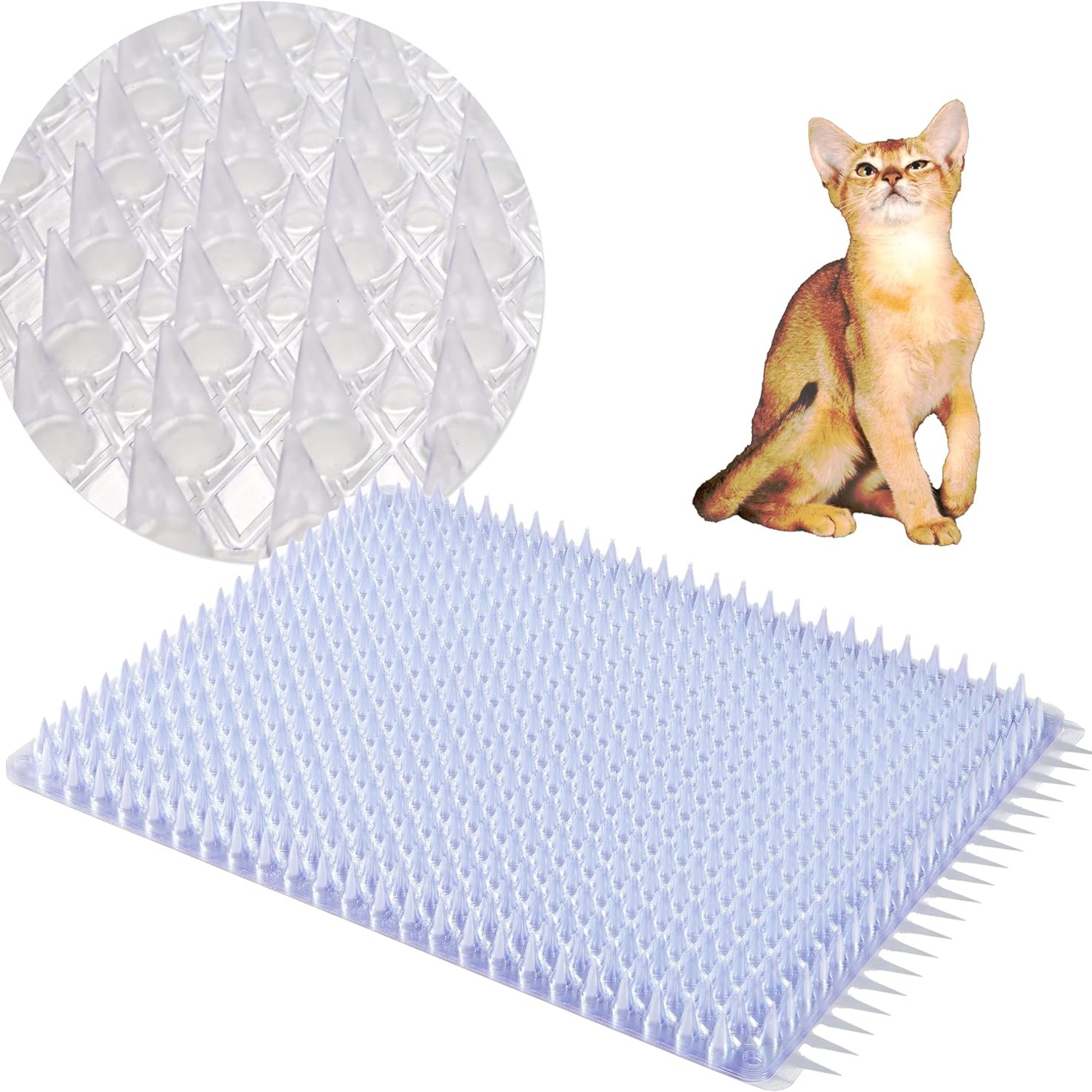
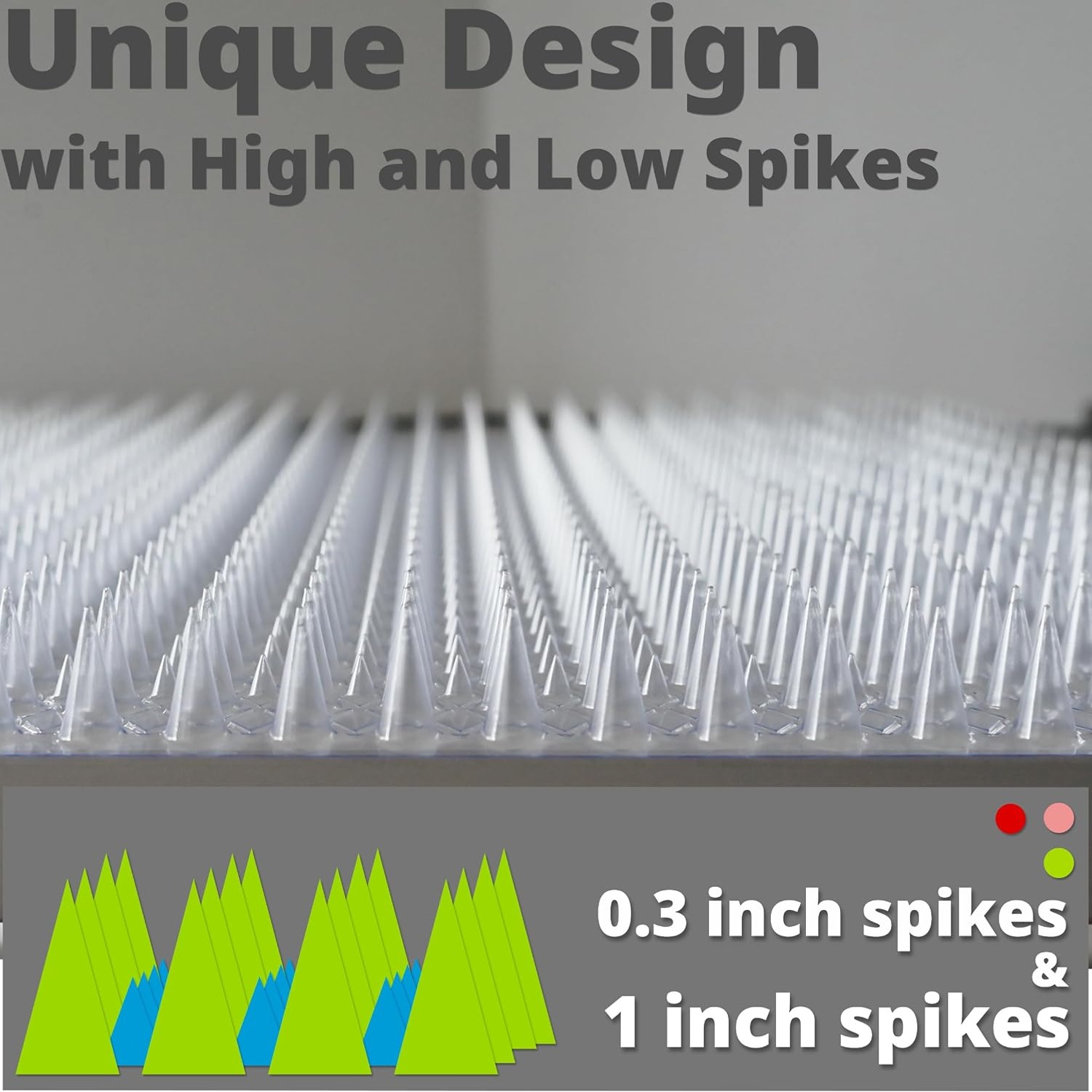
The spikes on these panels are blunt plastic. They are not designed to hurt, and they will not break skin. What they do is create a surface that feels completely wrong to stand on.
Think about stepping onto gravel in bare feet. It does not injure you, but you immediately shift your weight and look for a better place to put your foot. A cat landing on a spiked panel has the same reaction, and because cats are fussy about where they put their paws, they usually only need one go. Dogs take a little longer but get there too, especially when it comes to digging, where the panel blocks the paw stroke entirely.
The important bit is that the animal makes the decision itself. Nobody shouted. You were not even in the room. The pet simply concludes that this spot is not comfortable and finds a better one, which is a much more durable result than fear of being caught.
What you get in this pack
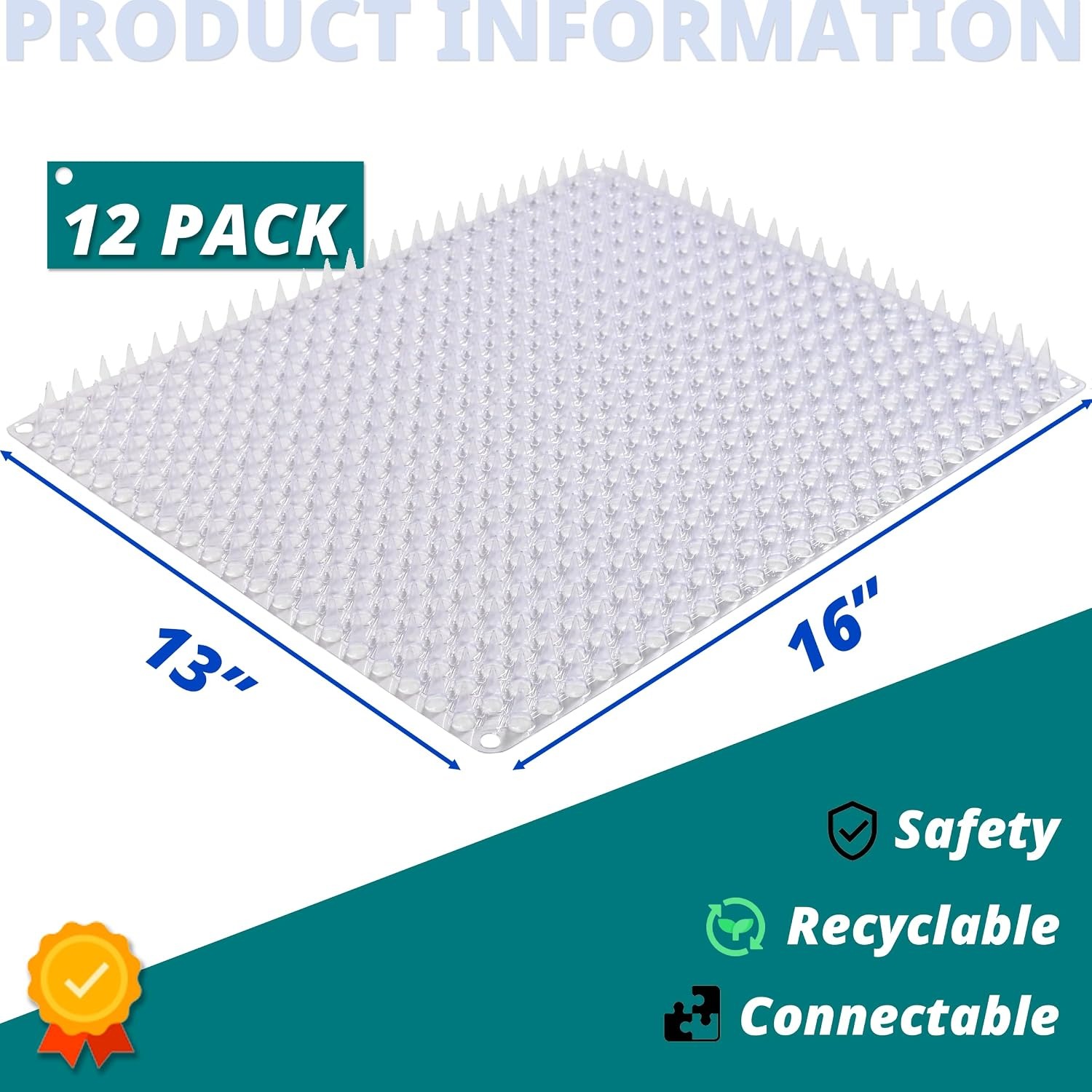
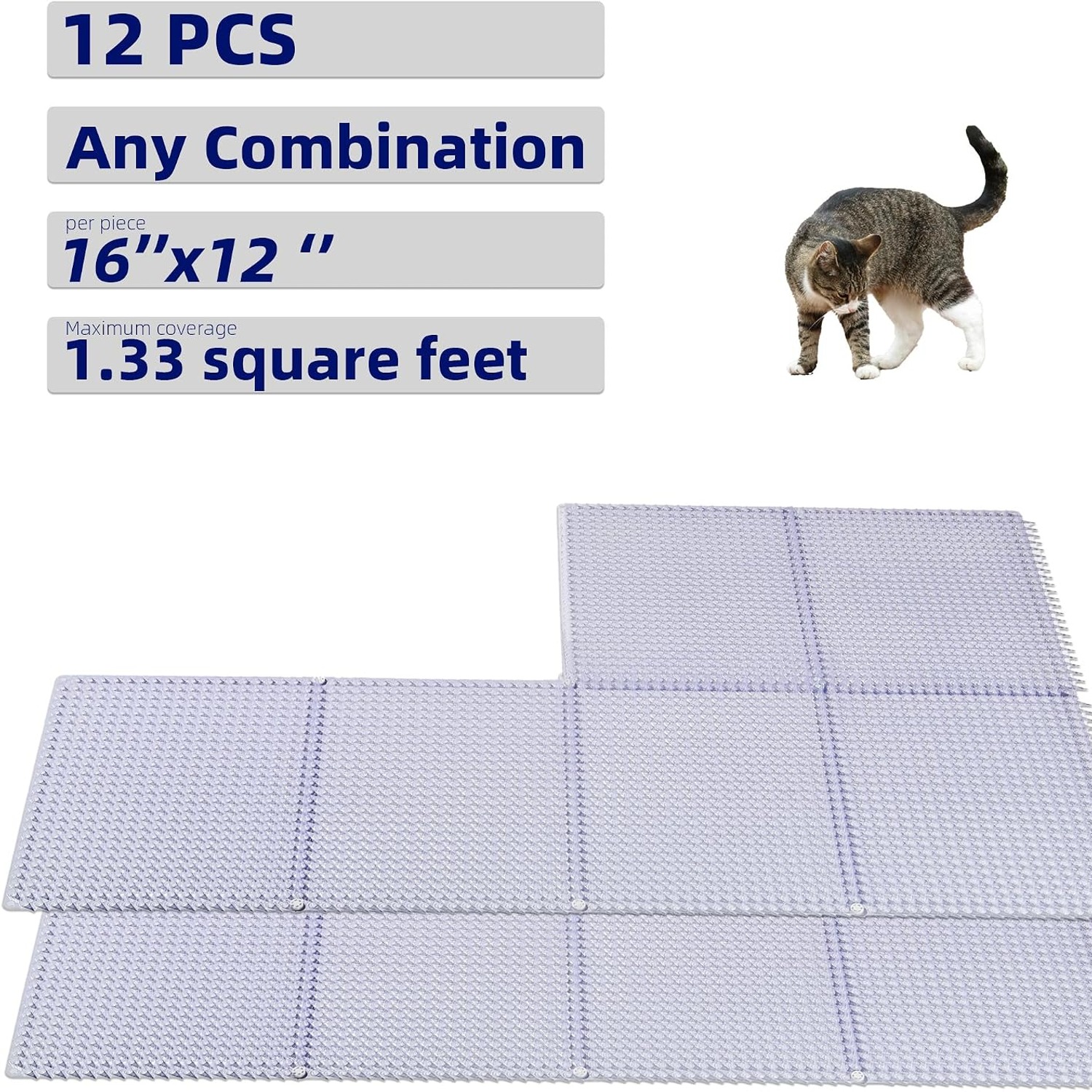
This set includes twelve panels. Each one is listed at 24 x 16 inches, and together they cover roughly 17.33 square feet. They are clear PET plastic, listed as odor-free, with blunt spikes across the top face.
The two features that make a practical difference day to day are the connectors and the cut-to-size design.
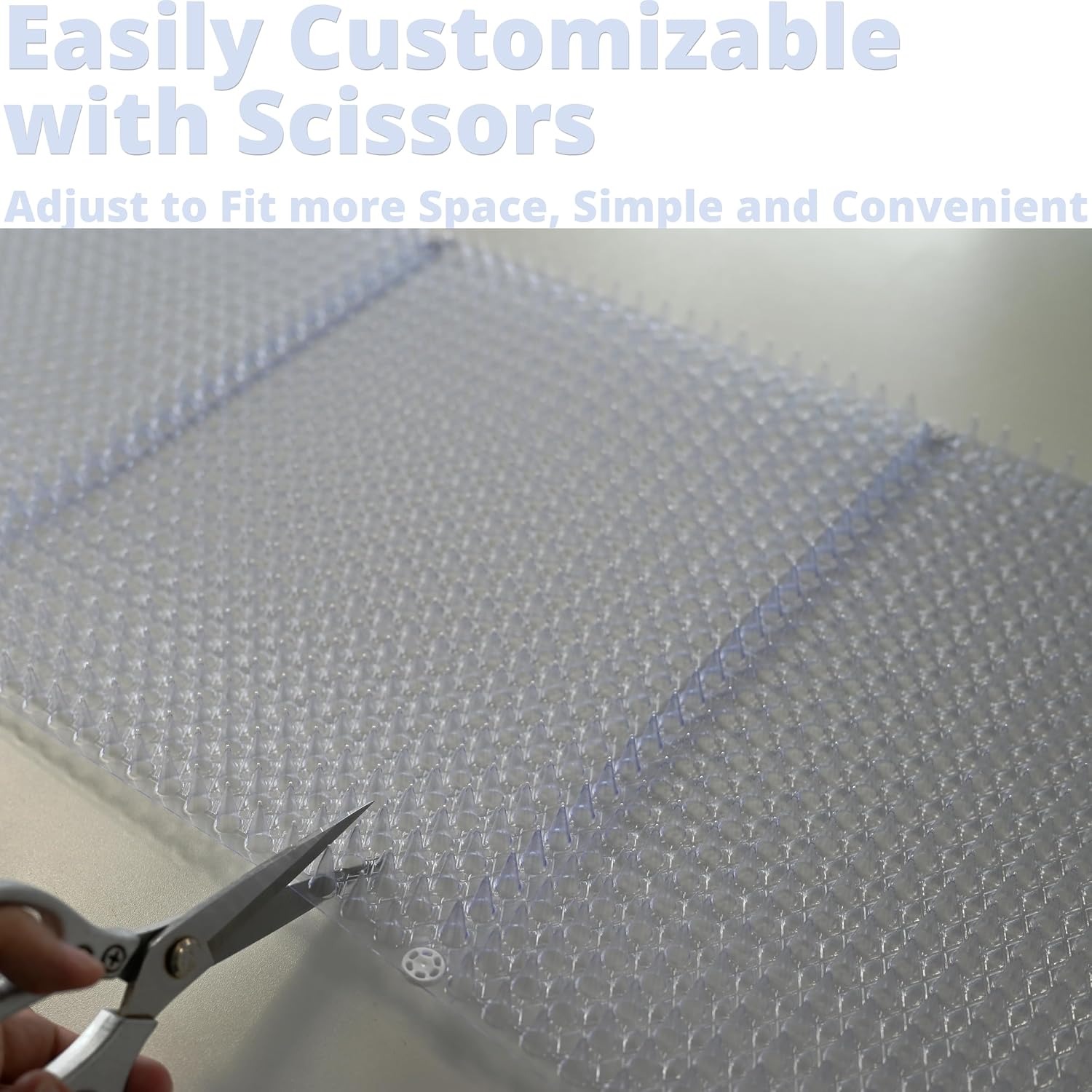
The connectors sit along the panel edges and push together by hand. No tools. That means you can build a two-panel strip for the back of a sofa, or a six-panel square around a Christmas tree, and change your mind next week without wasting anything. The cut-to-size part matters because real homes are full of table legs, pot rims, skirting boards and downpipes. Scissors will get a panel to the shape you actually need.
Total pack weight is 1.01 kg, so moving them around is no effort at all.
Who this suits
Indoors, this is for people protecting soft furniture, benches, window ledges and the tops of cabinets. A cat deterrent mat with spikes is particularly effective on counters, because the landing zone is predictable and narrow. Block the landing and the jump stops being worth it.
Outdoors, it suits gardeners dealing with digging, scratching and toileting in beds. Laying panels over fresh soil while seedlings establish is one of the most common uses, and it works without chemicals, smells or anything that washes into the soil. A lot of people looking for the best garden scat mat end up here for exactly that reason.
It also works for smaller specific jobs. Keeping a dog out of one corner of the yard. Stopping a cat from sleeping in a pot. Protecting a tree base in December. A 12 pack gives you enough panels to run two or three of these jobs at once.
Where it is less suitable is anywhere people walk barefoot regularly, and anywhere a very small child plays unsupervised. The spikes are blunt, but they are still unpleasant, and a toddler will absolutely try to lift a panel to see what is underneath.
Choosing the right layout
Coverage beats intensity. This is the single most useful thing to know.
A small square of mat in the middle of a problem area teaches a pet to step around it. A continuous barrier across the whole approach teaches a pet that the area itself is not worth visiting. So before you place anything, watch where your pet actually arrives from. There is usually one favorite route, and covering that route matters more than covering the destination.
For a sofa, run connected panels along the seat edge and the back, not just the one cushion with the claw marks. For a bench, cover the landing edge rather than the full surface. For a garden bed, ring the perimeter first and fill the middle only if digging continues.
Trim panels where edges would otherwise leave a gap. A pet will find a four inch gap. They are very good at that.
If panels slide on smooth tile, link several together so the combined weight holds, or use a few pieces of removable mounting tape underneath. Outdoors, a small garden peg through a connector hole keeps everything in place through wind.
Timing and how to wean off them
Leave them down longer than you think you need to.
Most people see a behavior change within a few days. The mistake is pulling the mats up at that point, because the habit has only paused, not broken. Two to four weeks is a fairer window, and longer for a habit the animal has had for years.
When you do start removing them, take away a panel or two at a time rather than the whole set. If the pet returns, put that section back for another fortnight. Most households end up leaving a couple of panels permanently in the one spot that never quite settles, which is a perfectly reasonable outcome.
Looking after them
There is not much to it. Rinse with water, wipe dry, and store flat.
Outdoor panels pick up soil between the spikes, and a soft brush with mild soapy water clears it. Let them dry fully before stacking so dirt does not cake into the gaps. Check the connectors for grit before clicking panels together, since a jammed connector is harder to separate later.
PET handles rain without trouble. Very long exposure to strong direct sun will make any plastic less flexible over time, so if you have an off-season where the garden is quiet, bringing the panels inside extends their life.
The short version
Twelve clear PET panels, blunt spikes, click-together edges and scissors-friendly plastic. Roughly 17.33 square feet of coverage, 1.01 kg in total, and no power, chemicals or smells involved.
Use them wide rather than small, cover the approach rather than the target, and leave them down for a few weeks after you think the problem is solved. Done that way, they usually end the argument about the sofa, the bench or the garden bed without you ever having to raise your voice.